Quality Control in Manufacturing: What It Really Means and Why It Matters
When you hear quality control, the systematic process of ensuring products meet defined standards before they leave the factory. Also known as QC, it's not about catching mistakes after they happen—it's about building systems that prevent them from ever occurring. In polymer manufacturing, where even a tiny variation in temperature, mixing time, or raw material batch can ruin an entire run, quality control isn’t optional. It’s the difference between a product that lasts and one that fails in the field.
Good quality control ties directly to polymer production, the process of turning raw resins into finished plastic components used in everything from car parts to medical devices. It’s not just about visual inspection or random sampling. It involves real-time monitoring of melt flow, density checks, dimensional tolerances, and chemical composition analysis. Companies like Tirupati Polymers don’t wait for complaints—they use sensors, lab tests, and trained operators to catch drifts before they become defects. This is why process consistency, the ability to repeat the same output with minimal variation over time matters more than speed. A factory that runs slower but delivers perfect parts every time beats one that churns out 10,000 units with 15% scrap.
And it’s not just about the machine. inspection methods, the tools and techniques used to measure, test, and verify product quality have evolved. Today, it’s not just calipers and gauges—it’s AI-powered vision systems that spot micro-cracks, spectral analyzers that confirm polymer blend accuracy, and digital logs that track every batch back to its raw material source. These aren’t luxury upgrades. They’re survival tools in industries where a single faulty part can trigger recalls, lawsuits, or lost contracts.
What you’ll find in the posts below isn’t theory—it’s real-world examples. You’ll see how Gujarat’s chemical hubs enforce QC standards across thousands of polymer runs. You’ll learn how the 5 Ps of manufacturing (Product, Process, Plant, People, Planning) directly shape quality outcomes. You’ll even see how plastic pollution ties back to poor quality control—when products are made to fail, they become waste. This isn’t about compliance. It’s about building something that works, lasts, and earns trust. And that starts with getting quality control right, every single time.
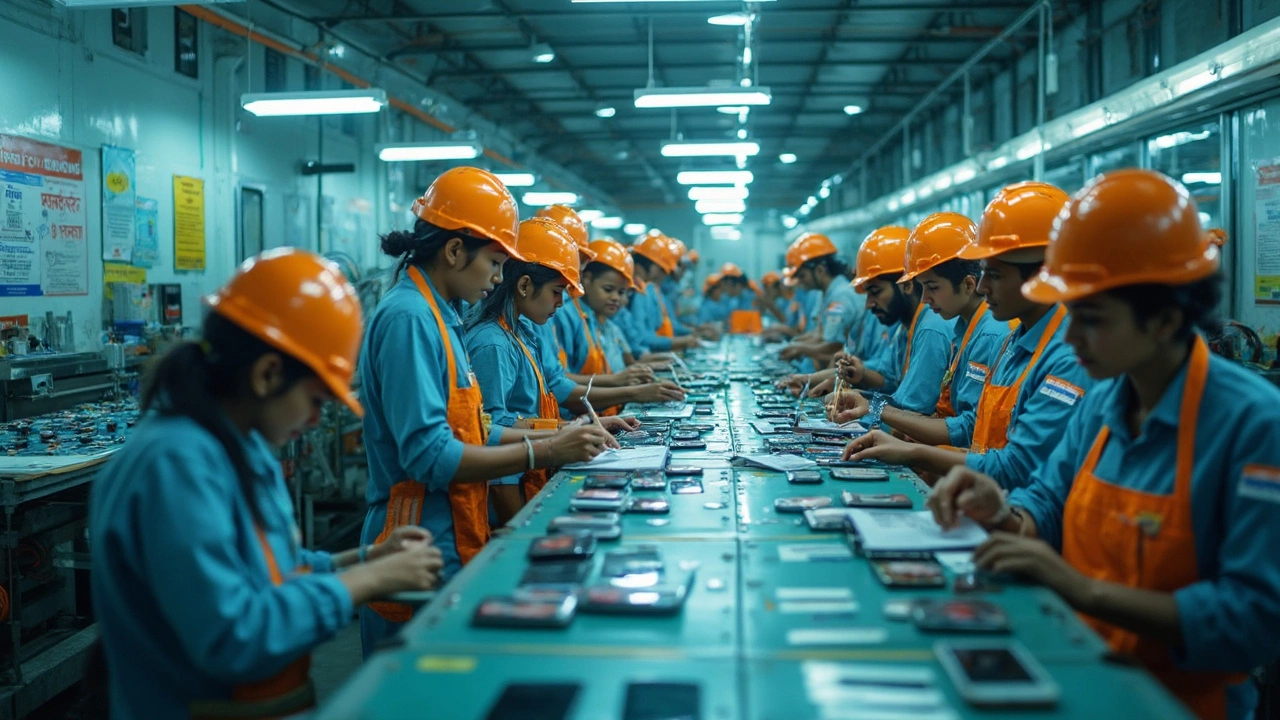
Ever wondered who actually keeps your favorite smartphone, car, or fridge up to standards before it lands in your hands? This article digs into how various government bodies oversee manufacturing, enforcing rules and rolling out schemes that shape what gets made and how. You'll find out which organizations have the final say on quality, safety, and compliance in the factory. We'll also fill you in on why this oversight matters, drop some surprising facts, and share advice for making sense of government programs. From small startups to big-time factories, see what’s happening behind the scenes.
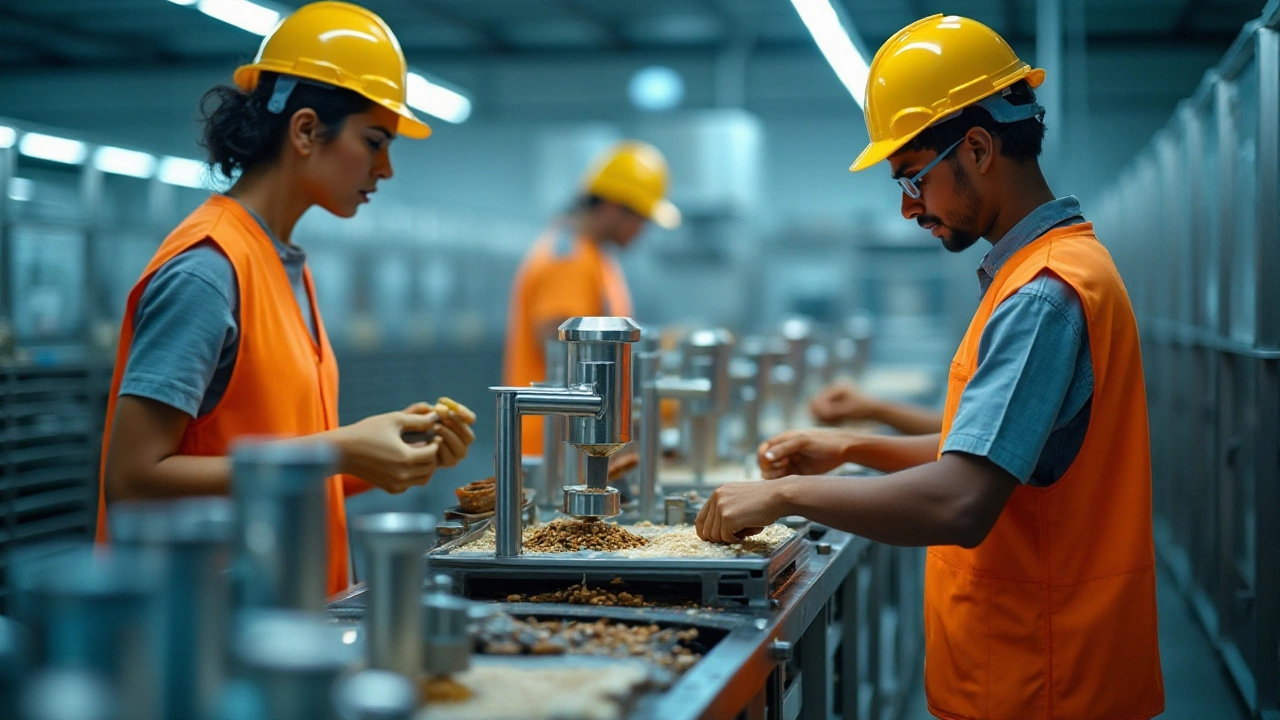
Understanding the numerical value .0005 in the context of food processing can lead to significant improvements in both quality control and efficiency within the industry. This article explores its relevance, diving into how precise measurements contribute to consistency and safety in food production. We'll discuss why .0005 is pivotal in ensuring high standards and meeting regulatory requirements. You'll learn about practical applications and essential insights for leveraging precision in food processing.