Processing Units: What They Are and How They Power Manufacturing
When you think of a factory, you picture machines, workers, and noise—but the real heartbeat is the processing unit, a dedicated system that transforms raw inputs into finished products through controlled steps. Also known as production line, it’s the core engine behind everything from plastic pellets to steel beams. Without efficient processing units, even the best materials sit useless. In polymer manufacturing, like what Tirupati Polymers does, these units melt, extrude, and shape resins into films, fibers, or rigid components. Each step—temperature control, pressure regulation, cooling rates—is tuned precisely. One small error, and you get weak plastic, uneven thickness, or wasted material.
Processing units aren’t just about machines. They’re a mix of equipment, physical systems like extruders, injection molders, and calenders, software, automation controls that monitor output quality in real time, and people, operators who tweak settings, spot defects, and keep things running. In Gujarat’s chemical hubs, where over 80% of India’s petrochemicals are made, processing units run 24/7 because downtime costs millions. In small-scale manufacturing, a single unit might make custom pet tags or engraved water bottles—same principle, smaller scale. The goal is always the same: turn input into output, fast, consistent, and cheap.
What makes a processing unit successful? It’s not just speed. It’s adaptability. A unit that can switch between producing thin films for packaging and thick sheets for automotive parts is worth more than one locked into a single task. That’s why modern plants invest in modular designs and digital controls. Government schemes like PLI and PMEGP help manufacturers upgrade these units by subsidizing automation and energy-efficient gear. And when you look at the biggest players—ArcelorMittal in steel, Nestlé in food processing—they don’t win because they have more workers. They win because their processing units are smarter, cleaner, and faster than anyone else’s.
Below, you’ll find real-world breakdowns of how processing units operate across industries—from textile factories using automated looms to food plants with central production units (CPUs) that prep meals at scale. You’ll see which manufacturing states are upgrading fastest, how small businesses can start with one unit, and why the biggest plastic polluters aren’t consumers but the companies that design these systems to produce single-use waste. This isn’t theory. It’s what’s happening in factories right now—and what you need to know to make smarter choices, whether you’re running a plant or just trying to understand where your products come from.
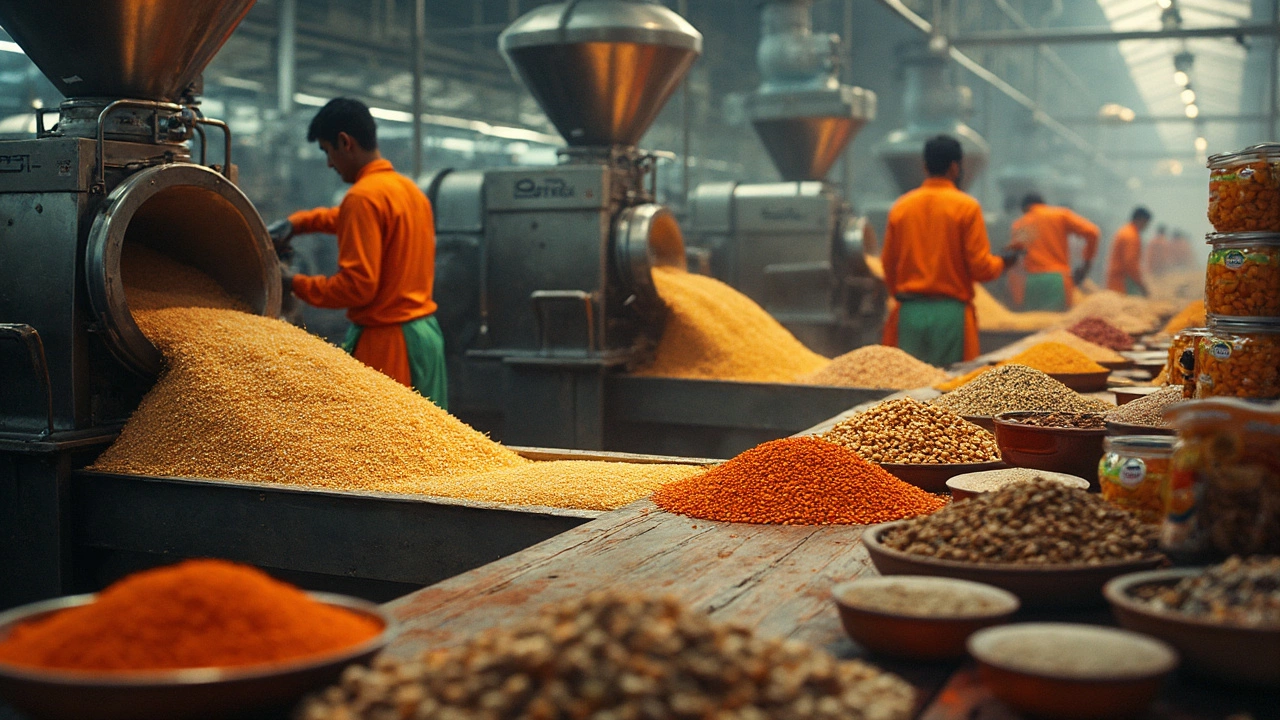
Not sure how unit operation and unit processing differ in food processing? This article cuts through the jargon, showing you where each fits in food factories. We’ll break down what these terms actually mean, where you spot them in real life, and why they matter so much for your wallet and the food you buy. You’ll pick up some smart tips that even people working in the industry sometimes miss. By the end, you’ll never mix these two up again.