Process Manufacturer: What It Means and How It Drives Industry
When you hear process manufacturer, a company that transforms raw inputs into products through standardized, continuous methods like mixing, heating, or chemical reactions. Also known as continuous manufacturer, it doesn’t build things piece by piece—it runs systems that turn liquids, powders, or gases into consistent outputs like plastic pellets, chemicals, or synthetic fibers. This isn’t assembly-line work. It’s about controlling conditions—temperature, pressure, flow rates—to get the same result every time. Think of it like baking a cake in a giant industrial oven, but instead of flour and sugar, you’re using crude oil, catalysts, and polymers.
Process manufacturers are the hidden backbone of modern industry. In India, places like Gujarat aren’t just cities—they’re chemical manufacturing hubs, regions where over 80% of the nation’s petrochemicals are produced, feeding everything from plastic bags to pharmaceuticals. These sites rely on production systems, integrated setups that link raw material intake, reaction units, purification, and packaging in one seamless flow. Without them, you wouldn’t have the polymers used in car parts, medical devices, or even the packaging your groceries come in. The manufacturing process here isn’t about speed alone—it’s about precision. A single degree off in a reactor can ruin an entire batch. That’s why skilled operators, automated controls, and strict quality checks are non-negotiable.
What makes a process manufacturer different from a job shop or assembly plant? It’s scale, consistency, and the nature of the output. You don’t make one custom product—you make thousands of identical ones. That’s why companies like Tirupati Polymers focus on optimizing these systems: reducing waste, cutting energy use, and ensuring every kilo of polymer meets exact specs. It’s not glamorous, but it’s essential. From the polymer manufacturing, the chemical process of turning monomers into long-chain molecules used in plastics, fibers, and films. to the food processing plants that package snacks, process manufacturing is everywhere you look—just not always noticed.
What you’ll find in the posts below isn’t theory—it’s real-world insight. You’ll see how government schemes like PLI and PMEGP help Indian process manufacturers compete. You’ll learn which states lead in chemical output and why. You’ll even see how plastic pollution ties back to who controls these production systems. Whether you’re in the industry, starting a business, or just curious, this collection cuts through the noise. No fluff. Just what matters when you’re running, managing, or investing in a process manufacturer.
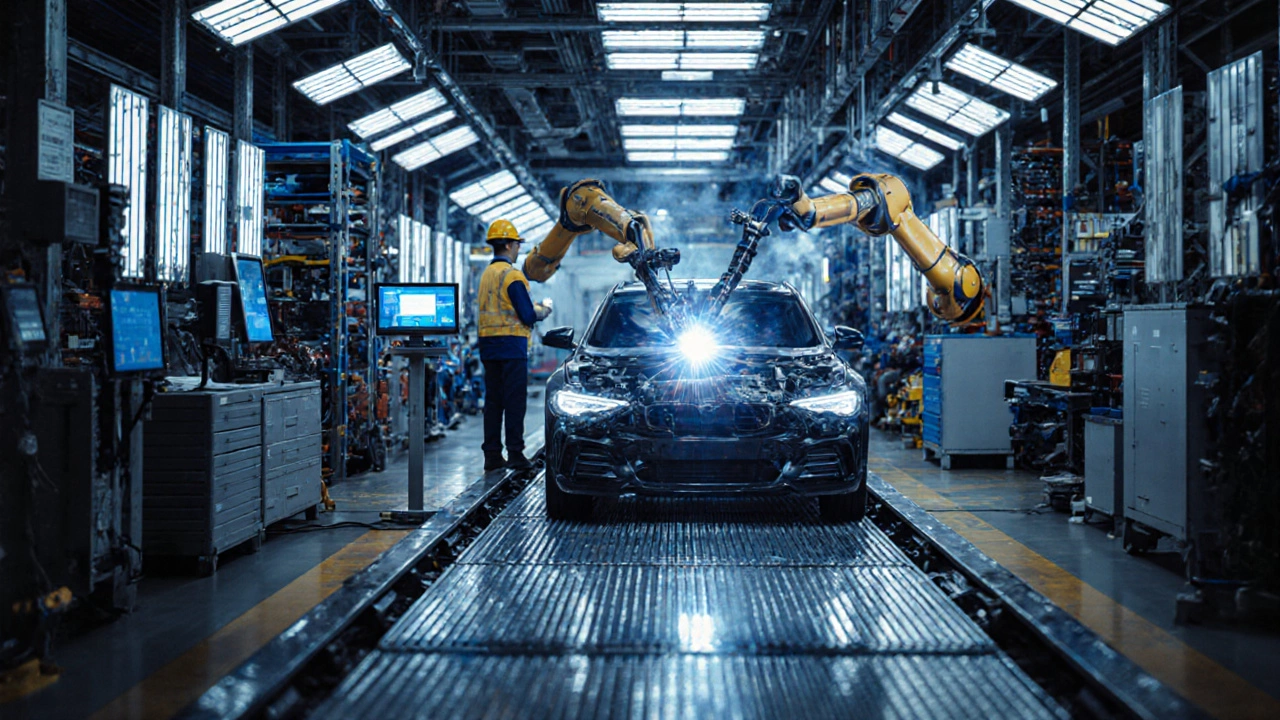
Learn the three main types of manufacturers - discrete, process, and job shop - and how each one operates, scales, and serves different markets. Essential reading for business owners and industry professionals.