Primary Processing in Manufacturing: What It Is and How It Powers Industry
When you think of manufacturing, you might picture robots assembling phones or factories churning out cars. But before any of that happens, there’s primary processing, the first step where raw materials like plastic pellets, metal ingots, or chemical compounds are transformed into basic shapes or forms. Also known as primary forming, it’s the invisible engine behind nearly every product you use daily. Without primary processing, you wouldn’t have plastic bottles, PVC pipes, synthetic fibers for your clothes, or even the casing on your laptop. It’s not glamorous, but it’s essential.
This step happens before assembly, packaging, or finishing. In polymer manufacturing—where Tirupati Polymers operates—it means melting thermoplastics and pushing them through dies to create sheets, rods, or films. It’s the same process used to make everything from grocery bags to medical tubing. The quality of this initial step determines how well the final product performs. If the plastic isn’t melted evenly, if the pressure isn’t right, or if contaminants sneak in, the whole batch fails. That’s why precision here isn’t optional—it’s the difference between a product that lasts and one that cracks on day one.
Primary processing doesn’t just apply to plastics. It’s the core of metal extrusion, glass blowing, and even food extrusion for snacks. But in India’s growing industrial landscape, polymer primary processing is booming. States like Gujarat, home to major chemical hubs, rely on it to feed textile mills, construction firms, and automotive suppliers. The polymer production, the conversion of base resins into usable forms through extrusion, injection molding, or blow molding is what ties together government schemes like PLI and local manufacturing growth. Companies that master this step don’t just save money—they control quality, reduce waste, and scale faster.
What you’ll find in the posts below isn’t theory. It’s real-world insight. You’ll see how primary processing links to the 5 Ps of manufacturing, why Gujarat dominates chemical output, how plastic pollution starts at this stage, and which small-scale manufacturers are cutting costs by optimizing just this one step. Whether you’re running a startup or managing a plant, understanding primary processing isn’t about jargon—it’s about making smarter decisions that impact your bottom line.
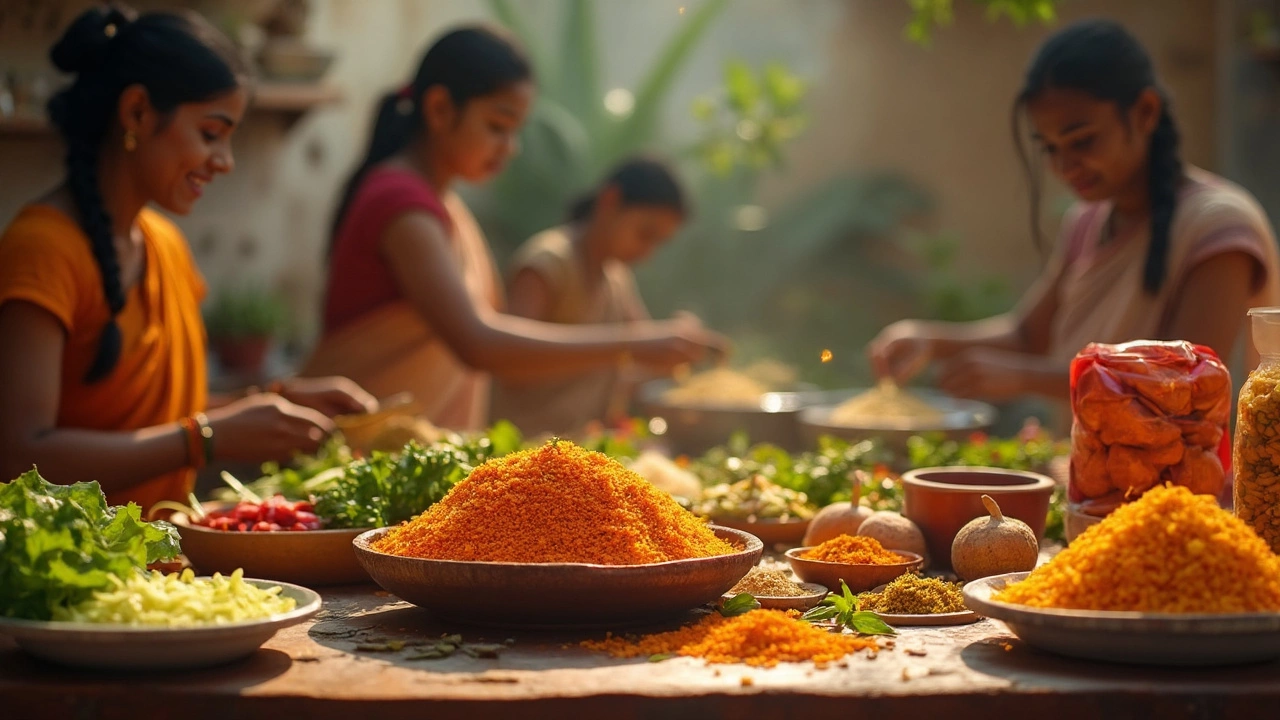
Discover the three main types of food processing, how they're used, what foods they affect, and how these processes impact nutrition and health choices.