Manufacturing People: Who Runs the Factories and Drives Industrial Growth
When you think of manufacturing, you might picture machines, assembly lines, or giant factories—but none of it happens without manufacturing people, the skilled workers, supervisors, and engineers who operate, maintain, and improve production systems every day. Also known as industrial workforce, these are the hands and minds that turn raw materials into real products, from polymers to steel parts to textile goods. They’re not just cogs in a machine—they’re the reason factories stay open, innovations get adopted, and quality stays high.
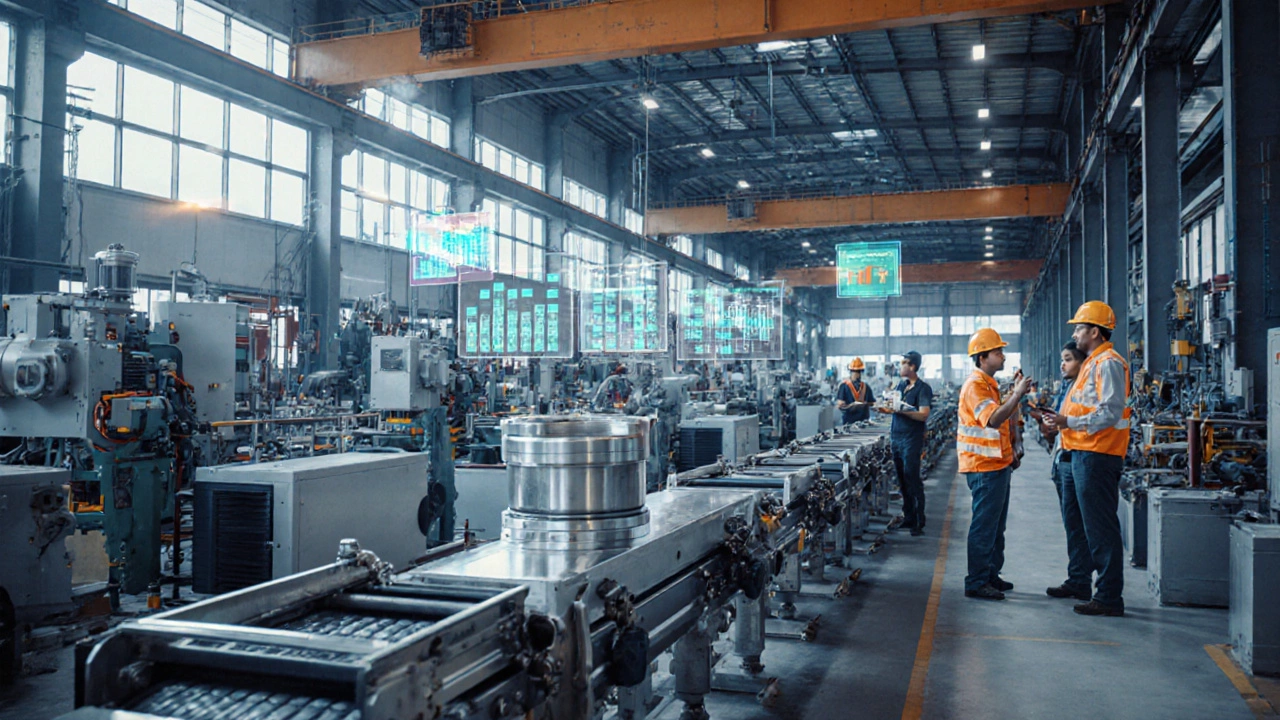
These manufacturing people come in many forms. There are the machine operators, the frontline workers who run CNC machines, extruders, and weaving looms, often trained on the job and skilled in reading blueprints or troubleshooting errors in real time. Then there are the production supervisors, the middle managers who coordinate shifts, track output, and ensure safety standards are met. And behind them, the process engineers, the problem-solvers who tweak formulas, reduce waste, and improve efficiency. In places like Gujarat’s chemical hubs or textile centers in Tamil Nadu, these roles aren’t optional—they’re the backbone of entire supply chains.
It’s not just about physical labor. Modern manufacturing demands digital literacy—workers now use tablets to log data, interpret real-time sensor readings, and follow digital work instructions. Companies like Tirupati Polymers rely on teams that understand both polymer chemistry and production systems. That’s why training programs, government schemes like PLI and PMEGP, and on-the-job upskilling matter so much. The best factories aren’t the ones with the most robots—they’re the ones with the most capable people.
And it’s not just about who’s on the floor. Manufacturing people include the maintenance technicians who fix broken molds, the quality inspectors who catch defects before products leave the plant, and the logistics coordinators who make sure raw materials arrive on time. These roles don’t show up in headlines, but without them, production stops. The rise of small-scale manufacturing in India means even more people are stepping into these roles—starting businesses making pet tags, engraved bottles, or technical textiles with just a few machines and a lot of know-how.
What you’ll find below isn’t just a list of articles—it’s a look at the real world behind the numbers. From the states driving manufacturing growth to the companies leading steel and textile production, these posts show how manufacturing people are shaping India’s industrial future. Whether it’s understanding government schemes, spotting profitable niches, or learning who’s really behind plastic waste, every article connects back to the people making it happen.
Learn the 5 Ps of manufacturing-Product, Process, Plant, People, Planning-and how to apply each pillar to boost quality, efficiency, and on‑time delivery.