Manufacturing Law: Rules, Regulations, and What You Need to Know
When you think about manufacturing law, the legal framework governing how goods are produced, including safety, environmental, labor, and tax rules. Also known as industrial regulations, it’s not just about paperwork—it’s what keeps factories running without hurting people or the planet. In India, this isn’t a one-size-fits-all system. It’s a mix of state-level rules, national policies like the PLI scheme, Production Linked Incentive program that rewards manufacturers for boosting output, and federal standards that control emissions, waste, and worker safety. If you’re running a small plant or scaling up, ignoring these laws doesn’t just risk fines—it can shut you down.
Manufacturing law connects directly to things you already care about. Take government manufacturing schemes, financial and policy support programs designed to help Indian businesses grow, like PMEGP and PMMY. These aren’t handouts—they’re legal pathways. To qualify, you need to follow specific rules on hiring, record-keeping, and reporting. Then there’s environmental law. If you’re making plastics, chemicals, or textiles, you’re dealing with pollution control boards, waste disposal rules, and emissions limits. Gujarat’s chemical hubs like Jamnagar don’t just thrive because of location—they thrive because companies there learned how to play by the rules while staying competitive.
And it’s not just about avoiding trouble. Smart manufacturers use these laws as leverage. The DPDP Act, India’s Digital Personal Data Protection Act that governs how companies handle customer and employee data, might seem unrelated to making steel or textiles—but if you’re collecting data for inventory, orders, or worker tracking, you’re already under its scope. Same with labor laws. The difference between a compliant shop and a risky one isn’t just ethics—it’s cost. Fines, delays, and bad press hurt profits faster than rising material costs.
What you’ll find below isn’t a legal textbook. It’s a collection of real, practical insights from businesses that got it right—or paid for getting it wrong. From how the 4 P’s and 5 P’s of manufacturing tie into government incentives, to why plastic manufacturers face more scrutiny than ever, these posts show you exactly how manufacturing law plays out on the ground. Whether you’re starting a small workshop or managing a plant, this isn’t about knowing every clause. It’s about knowing what actually matters—and how to use it to your advantage.
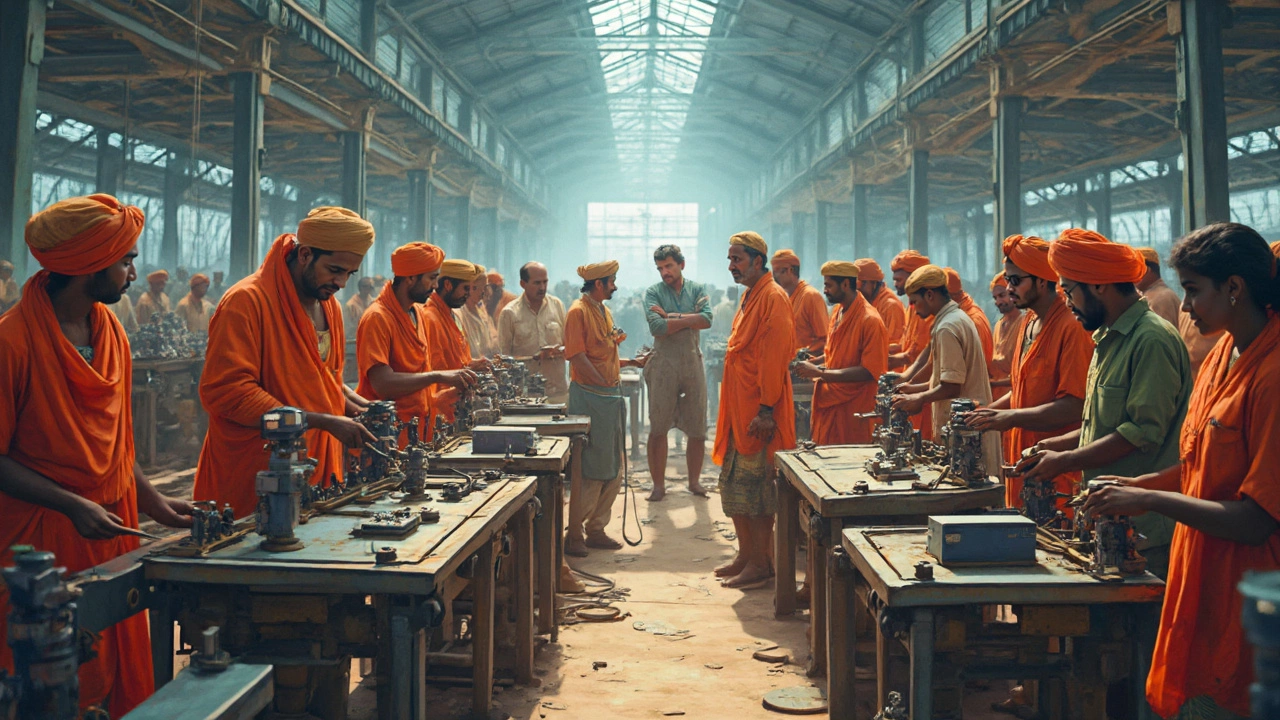
This article explores the concept of manufacturing in law, shedding light on how laws impact the production industry. It delves into the role of government schemes that support manufacturing, while providing tips on navigating legal requirements. Readers will learn about regulatory challenges and how law can shape manufacturing processes effectively. Real-life examples will illustrate these points for a comprehensive understanding.