Legal Manufacturing: What It Means and Why It Matters in India
When you hear legal manufacturing, the process of producing goods in full compliance with national laws, safety standards, and environmental regulations. Also known as compliant manufacturing, it’s not just paperwork—it’s the foundation of every reliable product you buy, from plastic containers to industrial components. In India, where polymer production is growing fast, skipping legal steps doesn’t save money—it risks everything. Fines, shutdowns, and lost trust don’t come with warning labels.
Legal manufacturing isn’t optional for polymer makers like Tirupati Polymers. It means following the Bureau of Indian Standards (BIS), the official body that sets technical specifications for industrial materials, ensuring your polymers meet safety and durability benchmarks. It means adhering to pollution control rules set by the Central Pollution Control Board (CPCB), the agency that monitors industrial emissions and waste handling. And it means understanding how schemes like PLI and PMEGP aren’t just funding opportunities—they come with strict compliance requirements. If you’re making polymers, you’re also making legal responsibility.
What’s often missed is how legal manufacturing affects your customers. A plastic part that breaks because it wasn’t tested? A chemical container that leaks because it didn’t pass quality checks? Those aren’t accidents—they’re failures of legal compliance. The best polymer manufacturers don’t just produce materials—they build systems that make legality part of the process, not an afterthought. That’s why Gujarat’s chemical hubs, like Dahej and Jamnagar, dominate: they’ve turned compliance into a competitive edge.
Below, you’ll find real examples of how legal manufacturing shapes everything—from government incentives and environmental rules to the products that end up in your hands. No fluff. No theory. Just what works, what doesn’t, and why skipping the rules always costs more in the end.
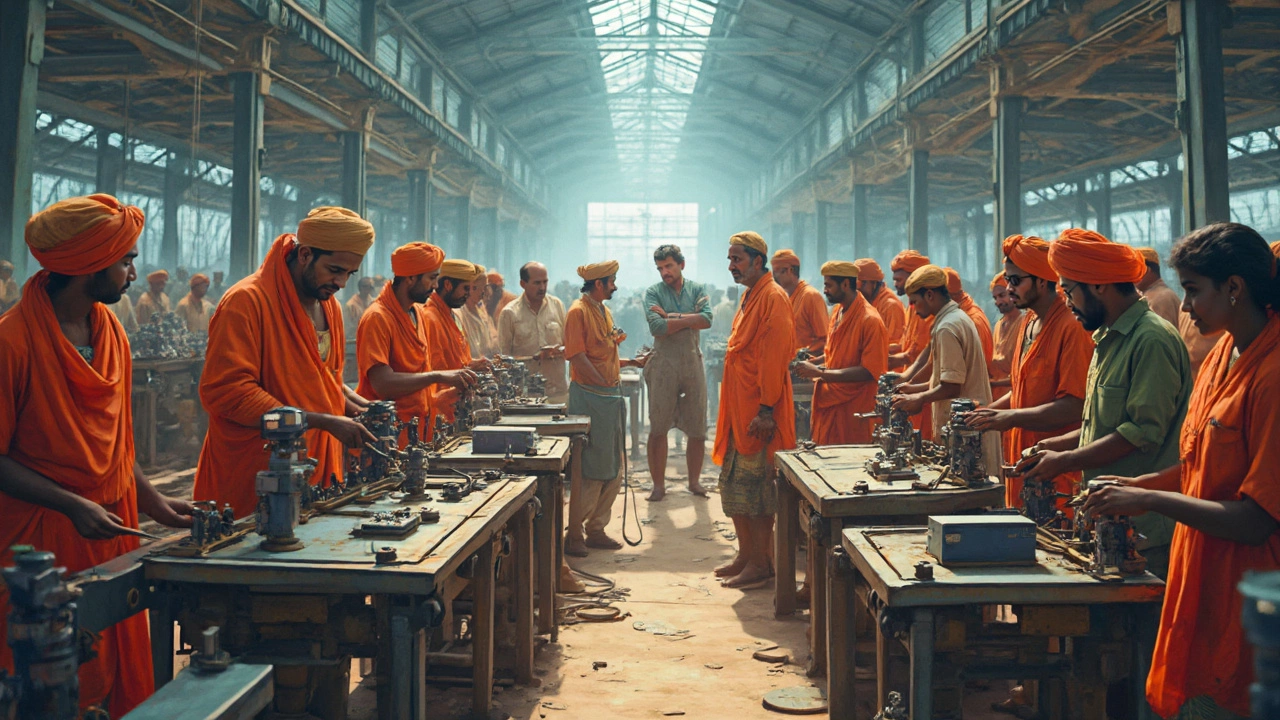
This article explores the concept of manufacturing in law, shedding light on how laws impact the production industry. It delves into the role of government schemes that support manufacturing, while providing tips on navigating legal requirements. Readers will learn about regulatory challenges and how law can shape manufacturing processes effectively. Real-life examples will illustrate these points for a comprehensive understanding.