Industrial Classification: Types, Systems, and How They Shape Manufacturing
When we talk about industrial classification, a system that groups manufacturing businesses by how they produce goods. Also known as manufacturing types, it helps governments, investors, and companies understand who does what in the industrial world. This isn’t just paperwork—it’s the backbone of how factories are tracked, funded, and regulated. In India, where small workshops sit beside massive chemical plants, knowing the difference between a process manufacturer, a company that makes goods by mixing or transforming raw materials in bulk, like chemicals or plastics and a discrete manufacturer, a business that builds distinct items one at a time, like electronics or car parts changes everything about how you approach supply chains, costs, and growth.
Industrial classification doesn’t stop at those two. There’s also job shop manufacturing, a flexible system where custom orders are made in small batches, often for specialized clients like toolmakers or medical device suppliers. These aren’t just labels—they define how a factory runs, what machines it needs, how it hires workers, and even which government schemes it qualifies for. For example, India’s PLI scheme targets specific manufacturing types, not just any factory. If you’re in Gujarat making petrochemicals, you’re in a process manufacturing cluster. If you’re in Tamil Nadu assembling circuit boards, you’re in discrete manufacturing. Mixing them up means missing out on incentives, misreading market demand, or investing in the wrong equipment.
What’s more, industrial classification helps explain why some states grow faster than others. Gujarat leads in chemical production because its infrastructure supports process manufacturing. States with strong engineering colleges and skilled labor attract discrete manufacturers building high-value goods. Even small-scale makers—like those producing engraved pet tags or custom water bottles—are part of this system, often falling under job shop or micro-manufacturing categories. Understanding these types isn’t academic. It’s how you decide where to set up shop, who to partner with, and what kind of products will actually sell. Below, you’ll find real examples from Indian factories, global comparisons, and breakdowns of how these classifications affect everything from plastic pollution to export success. No theory. Just what works.
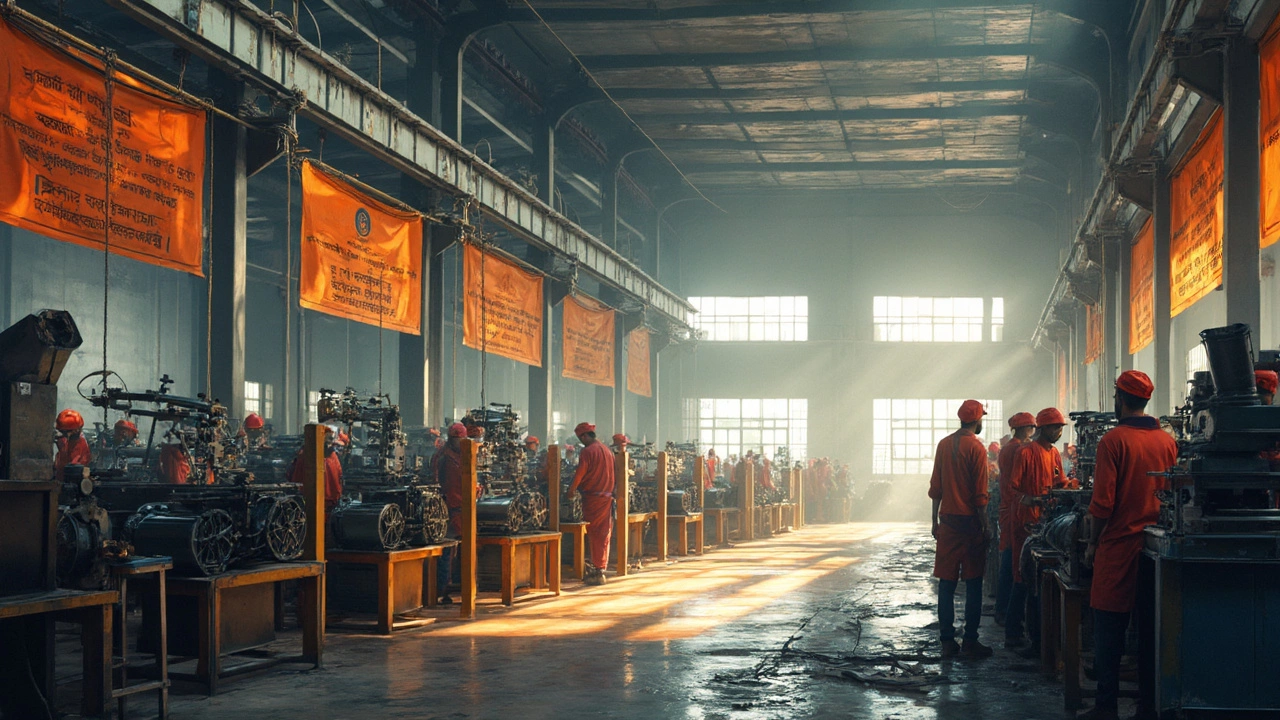
Find out exactly how the government defines 'manufacturing.' Explore key standards, real-world examples, and tips on navigating official definitions.