Indian Textile History: Roots, Rise, and Modern Impact
When we talk about Indian textile history, the centuries-old tradition of weaving, dyeing, and trading fabrics in India. Also known as handloom heritage, it’s not just about cloth—it’s about culture, economy, and survival. Long before factories, Indian weavers made fabrics so fine they were traded from Egypt to China. Cotton from the Indus Valley, silk from Bengal, and block prints from Gujarat weren’t just goods—they were status symbols across empires.
What made Indian textiles special wasn’t just the materials, but the skill. Handloom weaving, the manual process of weaving fabric on traditional looms without electricity. Also known as handcrafted textile production, it required years of training and passed down through families. Techniques like Bandhani tie-dye, Ikat patterns, and Chintz printing weren’t shortcuts—they were art. British colonial rule tried to crush this industry by flooding India with cheap machine-made cloth from Manchester. But the fabric didn’t break. It adapted. After independence, India revived its textile roots, turning handloom into a symbol of self-reliance.
Today, textile industry India, the modern sector that combines traditional crafts with automated production. Also known as Indian garment manufacturing, it’s worth over $140 billion and employs nearly 45 million people. You’ll find it in everything from cotton shirts sold in Mumbai to technical fabrics used in hospitals and solar panels. The government’s PLI scheme and export incentives aren’t just about numbers—they’re about keeping ancient skills alive in a digital age. Even as factories grow, villages in Varanasi, Kanchipuram, and Jaipur still hand-weave silk saris the same way their grandparents did.
So when you see a printed kurta or a hand-embroidered dupatta, you’re not just looking at clothing—you’re seeing a living chain of history. The same weavers who once supplied Mughal courts now supply global brands. The same dyes made from indigo and turmeric are now being tested for eco-friendly certification. This isn’t nostalgia. It’s evolution.
Below, you’ll find real insights into how this history shaped today’s manufacturing landscape—from which states lead production to who the biggest players are, and how sustainability is bringing old techniques back into demand.
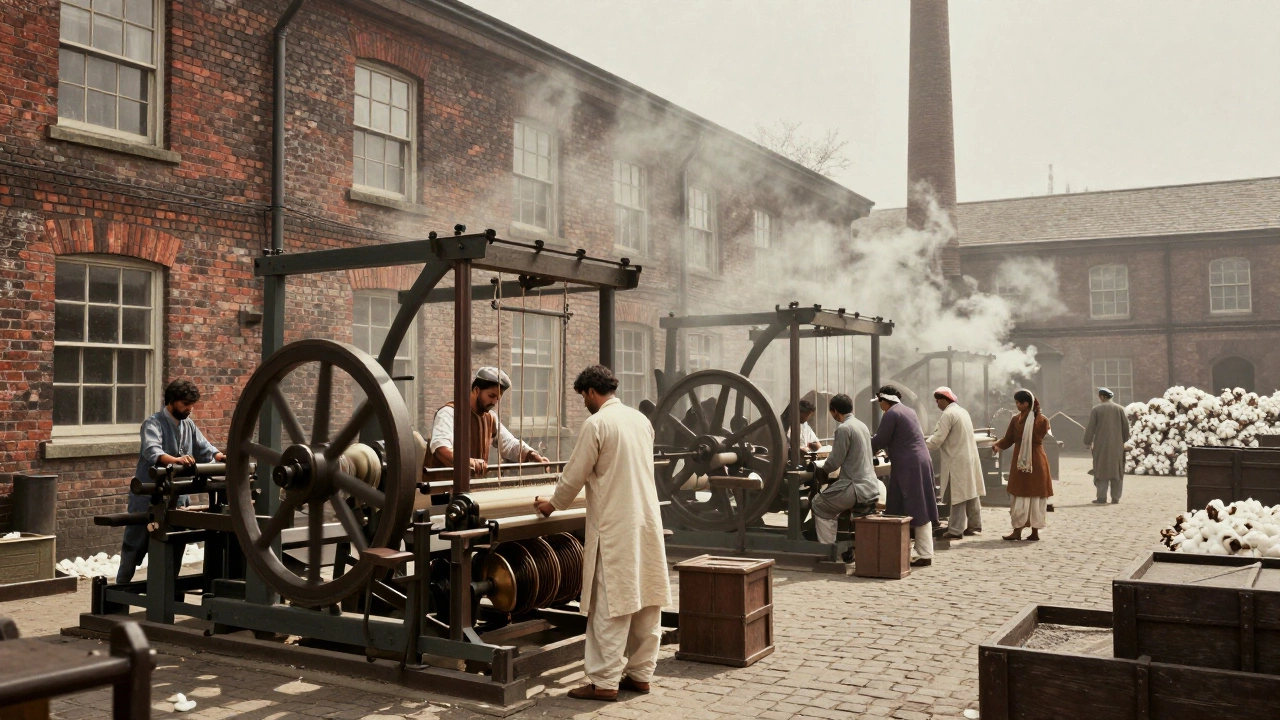
The oldest textile company in India is the Bombay Spinning and Weaving Company, founded in 1854 in Mumbai. It was the first successful modern textile mill and sparked India's industrial textile revolution.