Indian chemical market: Key players, states, and trends shaping India's manufacturing core
When we talk about the Indian chemical market, the ecosystem that produces everything from plastics and dyes to fertilizers and pharmaceutical intermediates used across India and globally. Also known as India’s chemical manufacturing sector, it’s not just about factories—it’s about supply chains, state policies, and companies that control over 80% of the nation’s output. This market doesn’t just feed local industries; it powers exports, supports small manufacturers, and drives innovation in sustainable materials like biodegradable polymers.
Gujarat is the heart of this market, accounting for nearly half of India’s chemical production. Cities like Jamnagar and Dahej are home to giants like Reliance, where petrochemicals turn into the raw plastic pellets used in everything from water bottles to car parts. Other states like Maharashtra and Tamil Nadu play supporting roles, but none come close to Gujarat’s scale. The chemical industry India, a network of producers, regulators, and logistics hubs focused on synthetic and organic compounds. Also known as India’s chemical manufacturing sector, it’s heavily influenced by government schemes like PLI, which reward companies for boosting domestic output and cutting imports. These aren’t just handouts—they’re reshaping who can compete. Smaller players are now able to enter the market by focusing on niche products like specialty dyes or high-purity solvents, avoiding direct fights with big players.
The polymer production, the process of turning raw chemicals into synthetic materials like polyethylene, PVC, and nylon used in packaging, textiles, and construction. Also known as plastic manufacturing, it’s one of the fastest-growing segments within the chemical market. But it’s also under pressure. Public concern over plastic waste has pushed companies to rethink packaging, invest in recycling tech, and explore bio-based alternatives. This isn’t just environmental—it’s economic. Brands now demand sustainable materials, and manufacturers who adapt are winning contracts. Meanwhile, the Gujarat chemicals, the concentrated cluster of chemical plants, refineries, and export terminals along Gujarat’s coast. Also known as India’s chemical hub, it’s where most of the country’s chemical exports leave from continues to expand, with new plants coming online every year to meet global demand.
What you’ll find in the posts below isn’t just theory—it’s real data on who’s winning, where the money flows, and how small businesses are finding space in a market dominated by giants. From the 4 P’s of government support to the truth behind plastic pollution, these articles cut through the noise. You’ll see which states are rising, which companies are leading, and what’s really driving change in India’s chemical landscape—no fluff, just facts that matter to manufacturers, investors, and anyone trying to understand where this industry is headed next.
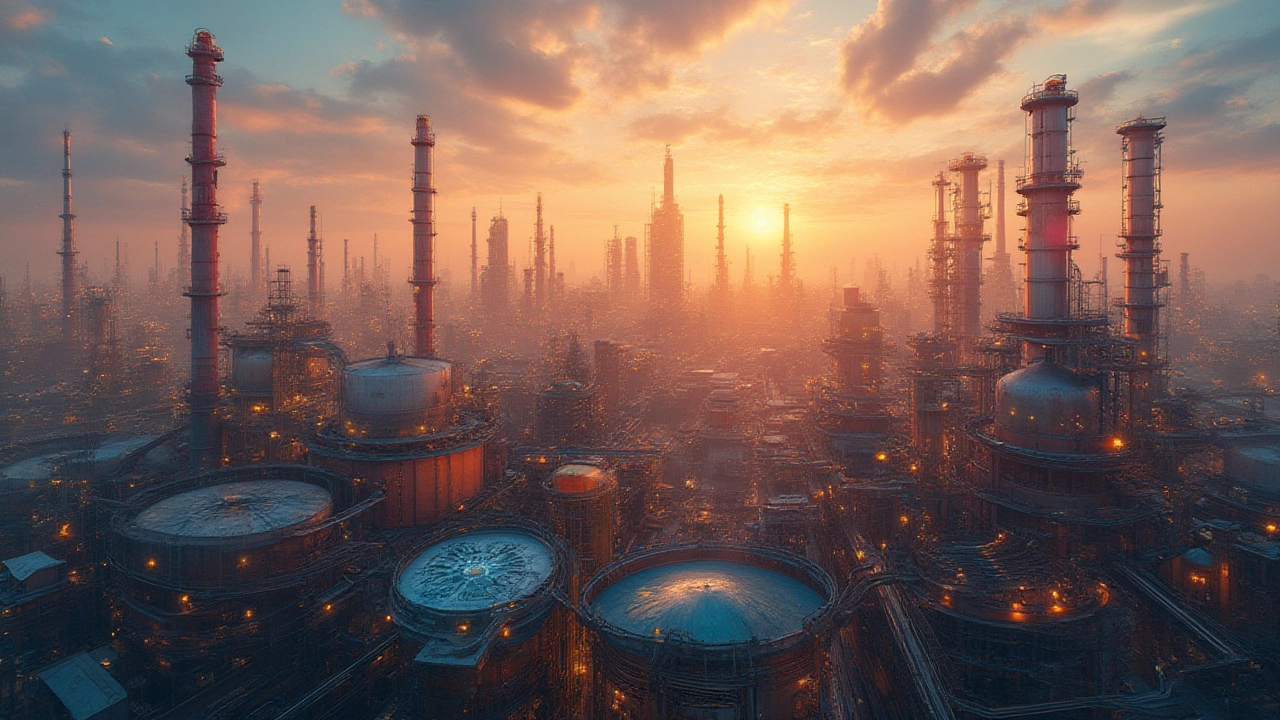
Wondering which chemical business wins big in India? Get clear insights on the country’s highest earning chemical sectors, what fuels their profits, and what you need to know before jumping in.