India automobile production: Key players, challenges, and manufacturing trends
When it comes to India automobile production, the rapid expansion of vehicle manufacturing across states like Tamil Nadu, Gujarat, and Maharashtra, fueled by domestic demand and global supply chain shifts. Also known as Indian automotive manufacturing, it's not just about assembling cars—it's about building a full ecosystem of parts, materials, and skilled labor that keeps the whole system running. Over the last decade, India has climbed to become the fourth-largest vehicle producer in the world, making over 5 million cars and commercial vehicles every year. That number keeps growing, and it’s not because of luck—it’s because of smart policy, cheaper production costs, and a growing middle class that actually wants to buy vehicles.
Behind every car made in India is a hidden story of materials. Polymers, lightweight, durable plastic compounds used in dashboards, bumpers, wiring insulation, and under-the-hood parts. Also known as engineering plastics, they make up nearly 20% of a modern car’s weight and are critical for fuel efficiency and safety. Companies like Tirupati Polymers Manufacturing supply these materials to auto plants across the country, helping reduce weight without sacrificing strength. Without these materials, electric vehicles wouldn’t be as efficient, and safety standards wouldn’t be met. The same polymers used in car interiors are also tied to the larger plastic waste debate—something many posts in this collection explore in depth.
It’s not just about making cars—it’s about where they’re made. Gujarat, a state that dominates India’s chemical and petrochemical output, also serves as a major hub for auto component manufacturing. Also known as India’s industrial powerhouse, it supplies everything from rubber seals to polymer-based fuel tanks to major automakers. Tamil Nadu, home to Chennai’s "Detroit of India," pulls in global brands like Hyundai and Renault-Nissan. Meanwhile, government schemes like PLI (Production Linked Incentive) are pushing local production of EV batteries and components, cutting reliance on imports. These aren’t abstract policies—they’re changing factory floors, hiring thousands, and reshaping supply chains.
What you’ll find in the posts below isn’t just news—it’s the real story behind the numbers. You’ll see how plastic pollution ties into car manufacturing, why Gujarat leads in chemical inputs for auto parts, how small manufacturers are stepping into the EV supply chain, and which states are winning the race for industrial growth. There’s no fluff here—just facts, connections, and insights you won’t find in generic reports. Whether you’re in the industry, investing in it, or just curious why your new car feels lighter and quieter than your old one, this collection gives you the full picture.
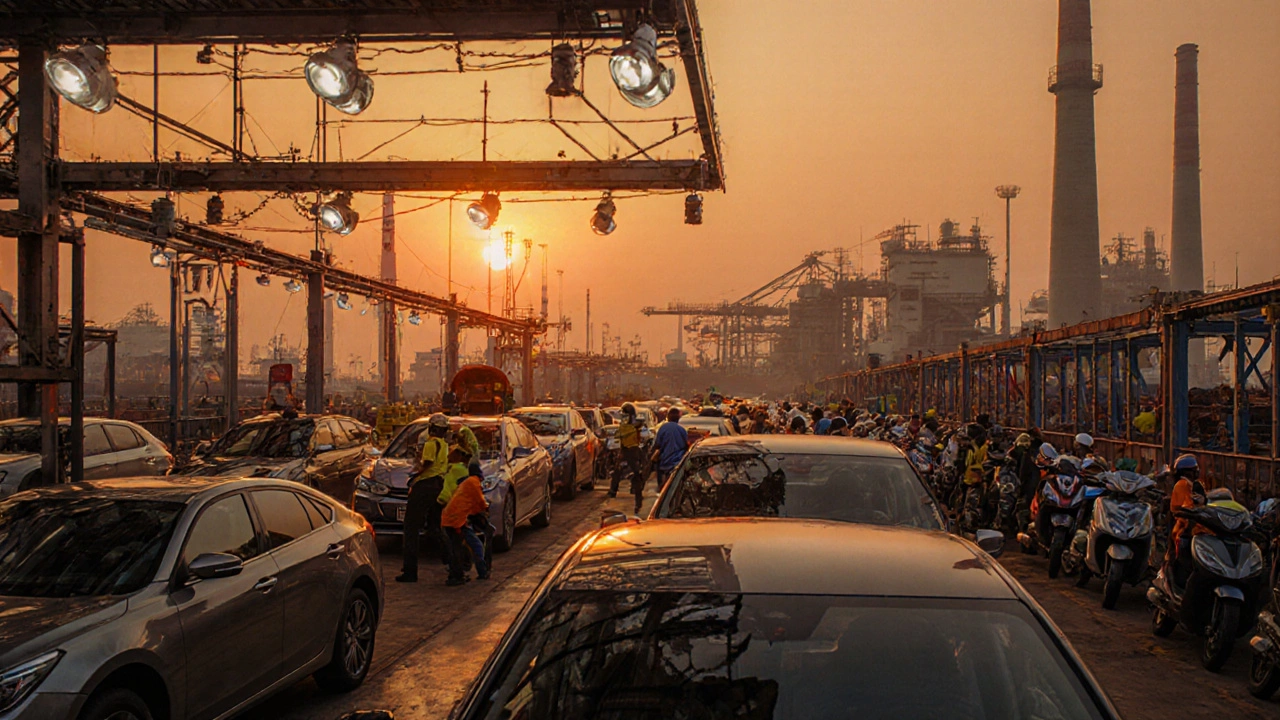
India ranks among the top five global vehicle producers, building over 30million cars, two‑wheelers, trucks and buses yearly. The article breaks down key manufacturers, production stats, export trends and future policy impacts.