Imported Cars: What They Are, Why They Matter, and How They Connect to Manufacturing
When you think of imported cars, vehicles built in one country and sold in another. Also known as foreign-made automobiles, they play a major role in how countries measure industrial strength, trade balance, and consumer choice. In India, imported cars often come from Germany, Japan, South Korea, and the U.S.—brands like BMW, Toyota, Hyundai, and Tesla. But they’re not just luxury items. They’re benchmarks. They show what’s possible in engineering, materials, and production efficiency—and they push local manufacturers to improve.
Behind every imported car is a chain of global manufacturing. The engine might be made in Japan, the electronics in South Korea, the steel from India or Brazil, and assembled in a plant in Thailand or Mexico. This isn’t random—it’s planned. Companies choose where to build based on labor costs, tax rules, supply chains, and government incentives. That’s why places like Gujarat and Tamil Nadu, which already lead in chemical and textile production, are now also becoming hubs for auto parts. Imported cars don’t just arrive at ports—they trigger changes in local factories, forcing them to upgrade quality, adopt automation, or risk falling behind.
There’s also a bigger picture: car manufacturing, the process of designing, engineering, and assembling vehicles at scale is one of the most complex industries on earth. It uses precision tools, robotics, and thousands of suppliers. India’s own auto industry is growing fast, but imported cars still set the standard for safety, fuel efficiency, and tech features. That’s why government schemes like PLI for automobiles exist—to help local makers match global quality without losing cost advantage.
And it’s not just about cars. Imported vehicles influence everything from plastic parts to battery tech. Think about the polymer materials used in dashboards, seat covers, and under-hood components. That’s where companies like Tirupati Polymers come in—supplying durable, heat-resistant plastics that meet international standards. Imported cars don’t just compete with local models; they raise the bar for every component that goes into them.
So when you see a foreign brand on the road, you’re not just seeing a car—you’re seeing a snapshot of global trade, manufacturing strategy, and technological competition. The posts below dig into how these vehicles affect local production, what policies shape their entry, and how Indian makers are responding. You’ll find real data on which countries export the most cars to India, why some models succeed while others fail, and how the rise of EVs is changing the game. No fluff. Just clear connections between what’s on the road and what’s happening in the factory.
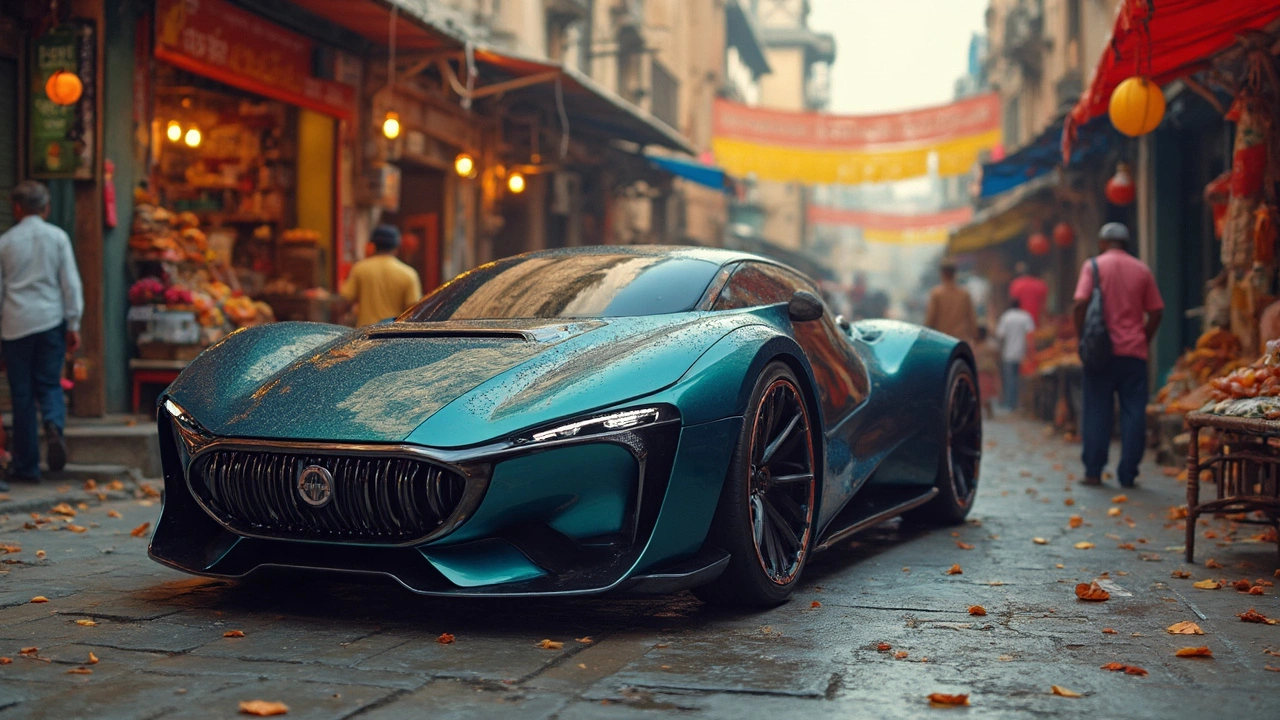
India is a car lover’s paradise, but not every popular model comes from Indian factories. This article uncovers which cars are not made locally, sharing real reasons why brands skip Indian production lines. Dive in for examples of models you’ll only find as imports, learn about the hurdles that make local assembly a no-go, and find tips if you have your heart set on bringing in one of these rare rides. Get ready to see the Indian car market in a totally new light.