Health Concerns in Polymer Manufacturing: Risks, Causes, and Solutions
When you think of health concerns, risks to workers and communities from industrial processes. Also known as occupational hazards in manufacturing, it often brings up images of factories with smokestacks—but the real dangers are quieter, and more personal. In polymer manufacturing, the industrial process of turning raw chemicals into plastics and synthetic materials, workers are exposed to volatile organic compounds, airborne fibers, and toxic additives daily. These aren’t theoretical risks. Studies from India’s industrial zones show higher rates of respiratory issues, skin disorders, and even neurological symptoms among workers handling raw polymers without proper ventilation or protective gear.
It’s not just about masks and gloves. The real problem lies in how these materials are handled over time. Many factories still use outdated equipment that leaks fumes, or skip regular air quality checks because it’s seen as an extra cost. Chemicals like benzene, formaldehyde, and phthalates—common in plasticizers and resins—are classified as carcinogens by global health agencies. Workers in Gujarat’s chemical hubs, where over 40% of India’s polymer output happens, face some of the highest exposure levels. And it’s not just the factory floor. Nearby communities report higher asthma rates and water contamination linked to improper waste disposal from polymer plants. The link between chemical exposure, direct contact with hazardous substances in industrial settings and long-term illness isn’t speculation—it’s documented in occupational health records across Tamil Nadu, Maharashtra, and Uttar Pradesh.
Thankfully, change is happening. Leading manufacturers are investing in closed-loop systems, automated handling, and real-time air monitoring. Some are switching to bio-based polymers that break down safer and emit fewer toxins. Training programs are finally moving beyond compliance checklists to actual safety culture. But progress isn’t uniform. Small and mid-sized producers still struggle with funding and awareness. That’s why knowing the facts matters—whether you’re a worker, a buyer, or just someone who uses plastic every day. The posts below dig into real cases, hidden risks, and the companies taking real action. You’ll see which materials are safest, what regulations actually protect people, and how simple changes can cut health risks by half. This isn’t about fear. It’s about making smarter choices—for your body, your community, and the future of manufacturing.
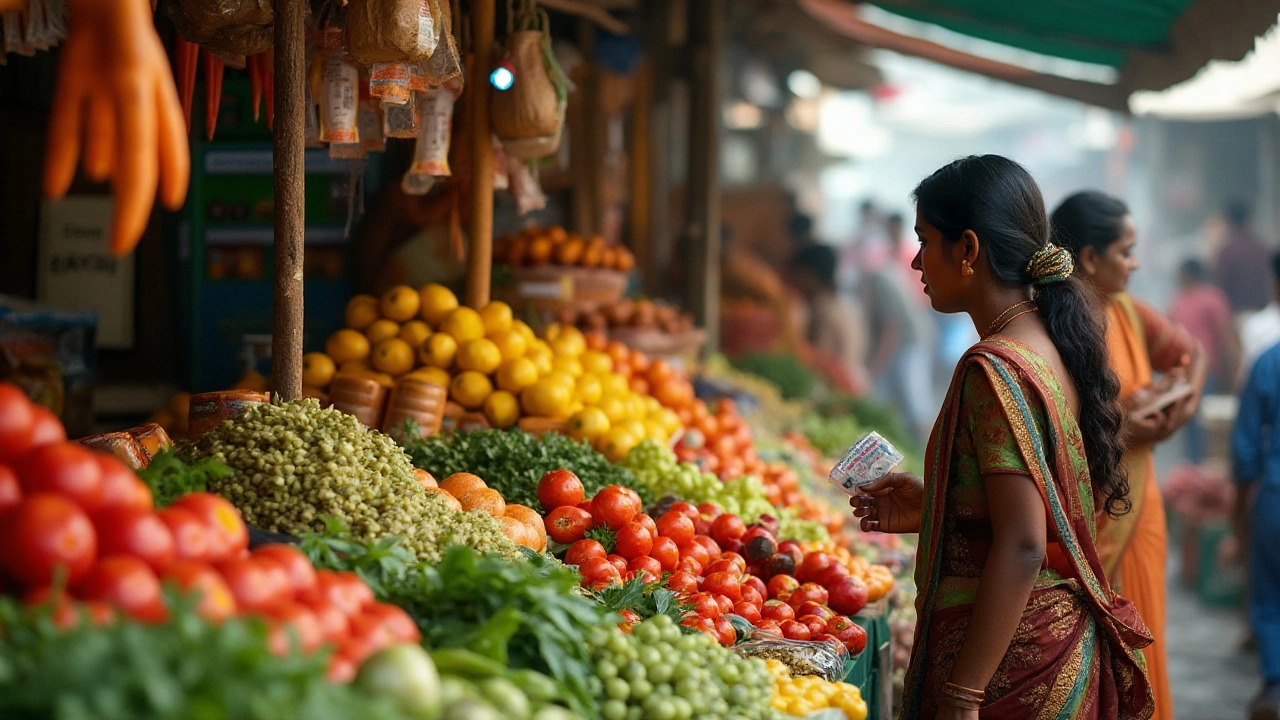
Food processing, a staple of modern food systems, isn't without its drawbacks. This article delves into how processing often reduces nutritional value by adding preservatives and artificial ingredients. It also touches upon the potential health risks of consuming heavily processed foods, including links to obesity and other chronic conditions. Additionally, the article considers the environmental impacts of food manufacturing and offers practical tips for mitigating these issues by making informed choices.