Furniture Manufacturing: Materials, Trends, and Key Players in India
When you think of furniture, physical items like chairs, tables, and sofas designed for home or office use. Also known as household furnishings, it isn’t just wood and metal anymore. Today, furniture is increasingly made from polymers—plastics, composites, and engineered resins—that are lighter, cheaper, and more durable than traditional materials. In India, where manufacturing costs matter and supply chains are shifting, polymer-based furniture is growing fast. It’s not just about looking modern; it’s about surviving in a market that demands low maintenance, weather resistance, and mass production.
Polymers are now used in everything from outdoor patio sets that won’t rot in monsoon rains to stackable office chairs that ship flat and assemble in minutes. Companies like Tirupati Polymers Manufacturing supply the raw materials that turn these designs into reality. These polymers aren’t just plastic bags—they’re high-density polyethylene (HDPE), polypropylene, and reinforced thermoplastics engineered for structural strength. They’re also being used in modular furniture systems that replace solid wood in urban homes, where space and cost are tight. And it’s not just small players: big furniture brands are switching to polymer blends to cut costs and meet sustainability goals, even if they still market it as "eco-friendly wood look."
The shift isn’t just technical—it’s geographic. Gujarat and Tamil Nadu lead in polymer production, making them natural hubs for furniture manufacturing too. Factories there use injection molding and extrusion lines to mass-produce parts that are then assembled across the country. This means furniture isn’t just being made in traditional woodworking towns anymore—it’s being built in chemical parks, next to plastic pellet plants. The result? Faster turnaround, fewer defects, and prices that undercut imported wood furniture.
What’s driving this? Three things: government incentives for MSMEs in manufacturing, rising plastic recycling capacity, and changing consumer habits. Younger buyers don’t care if a chair is made of wood or polymer—they care if it lasts, looks good, and doesn’t cost a fortune. Meanwhile, hotels, schools, and public spaces are switching to polymer furniture because it’s easy to clean, doesn’t need refinishing, and survives heavy use. Even outdoor furniture brands that once relied on teak now use recycled HDPE blends that mimic wood grain without the upkeep.
And here’s the twist: while plastic pollution gets headlines, the furniture industry is quietly using recycled polymers to fix that problem. Some manufacturers now make entire sofa frames from post-consumer plastic waste. It’s not perfect, but it’s a step. And with India’s PLI scheme pushing domestic production, local polymer makers are scaling up to meet this demand. You won’t see it in ads, but it’s happening—in factories near Jamnagar, in workshops near Coimbatore, in small units that supply furniture chains you’ve never heard of.
What you’ll find in the posts below isn’t just theory. It’s real data on who’s producing what, where the biggest opportunities lie, and how polymer manufacturing is reshaping everything from home decor to industrial design. You’ll see which states are leading, what materials actually work, and why the next big furniture trend might be invisible—it’s not the shape of the chair, it’s what it’s made of.
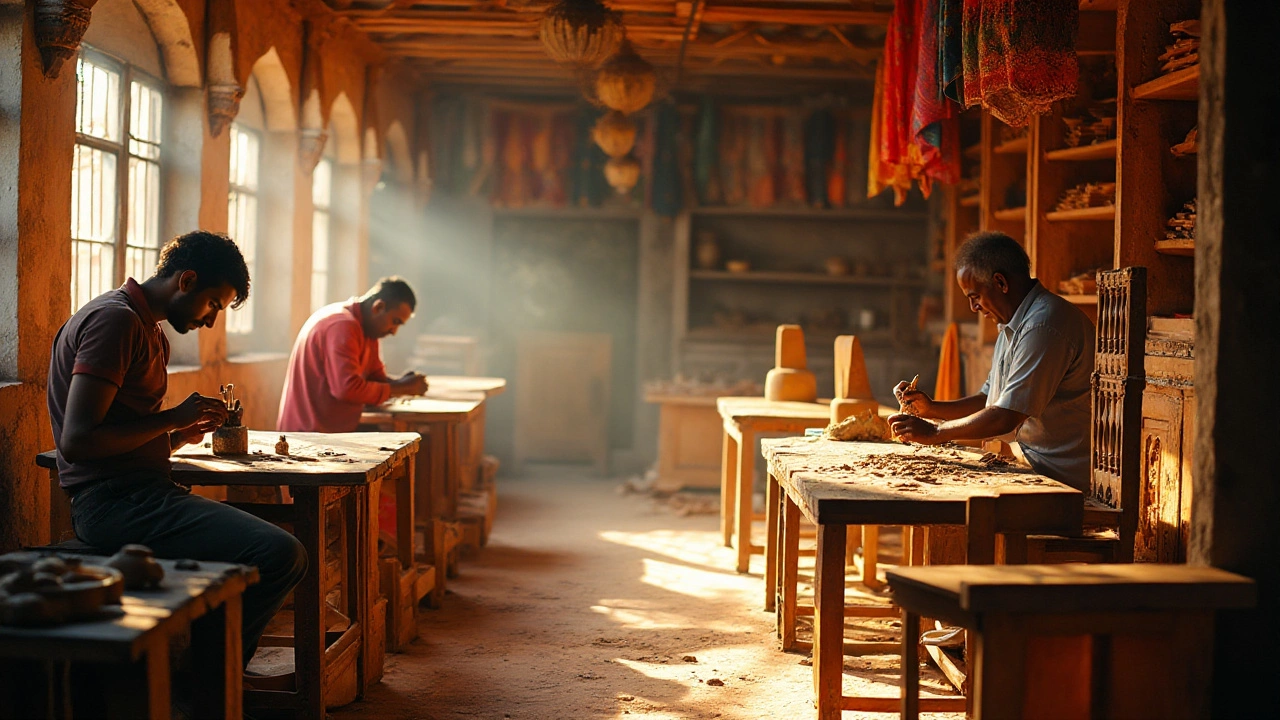
India has emerged as a global leader in the furniture manufacturing sector, boasting a wide variety of styles and craftsmanship that blend traditional with modern designs. The country's diverse manufacturing landscape includes everything from small artisan workshops to large, globally recognized companies. This article delves into some of the major players in the Indian furniture industry, examining their influence, reach, and contributions. It also provides insights into current trends and what the future might hold for Indian furniture manufacturers.