FSSAI: What It Means for Food and Polymer Manufacturers in India
When you see the FSSAI, the Food Safety and Standards Authority of India, which regulates food safety and packaging across the country. Also known as Food Safety Authority, it doesn’t just inspect restaurants—it controls what touches your food, including the plastic containers, films, and caps made by polymer manufacturers. If your polymer product ends up holding milk, snacks, or ready-to-eat meals, FSSAI has the final say on whether it’s safe to use.
FSSAI doesn’t care if your plastic is cheap or colorful. It cares if chemicals from your packaging can leach into food. That’s why polymer makers must test for migration limits, use approved additives, and follow the food contact materials, plastics, coatings, and films designed to directly touch food without causing harm standards. Companies like Tirupati Polymers don’t just make plastic—they build compliance into every batch. If your polymer isn’t FSSAI-compliant, it can’t be sold to food brands, no matter how strong or clear it looks.
It’s not just about plastic bottles. FSSAI also governs laminated pouches, thermoformed trays, and even polymer-based seals on yogurt cups. If you’re making packaging for dairy, oils, or ready-to-cook meals, you’re in their scope. And it’s not optional. In 2023, over 1,200 food packaging units were shut down across India for violating FSSAI packaging rules. That’s not a fine—it’s a business stoppage.
What does this mean for you? If you’re a manufacturer, FSSAI isn’t a paperwork hurdle—it’s a market gate. Brands won’t touch your product unless you have the certificate. If you’re a buyer, you need to ask: Is this packaging FSSAI-approved? Not just ‘food-grade.’ Not just ‘BPA-free.’ FSSAI. That’s the only stamp that matters in India.
You’ll find posts here that break down how FSSAI rules connect to polymer production, what testing labs actually check, and why some Indian states see more compliance violations than others. You’ll also see how government schemes like PLI and PMEGP are helping small polymer units meet these standards. These aren’t theory pieces—they’re practical guides from people who’ve navigated inspections, lab reports, and failed audits.
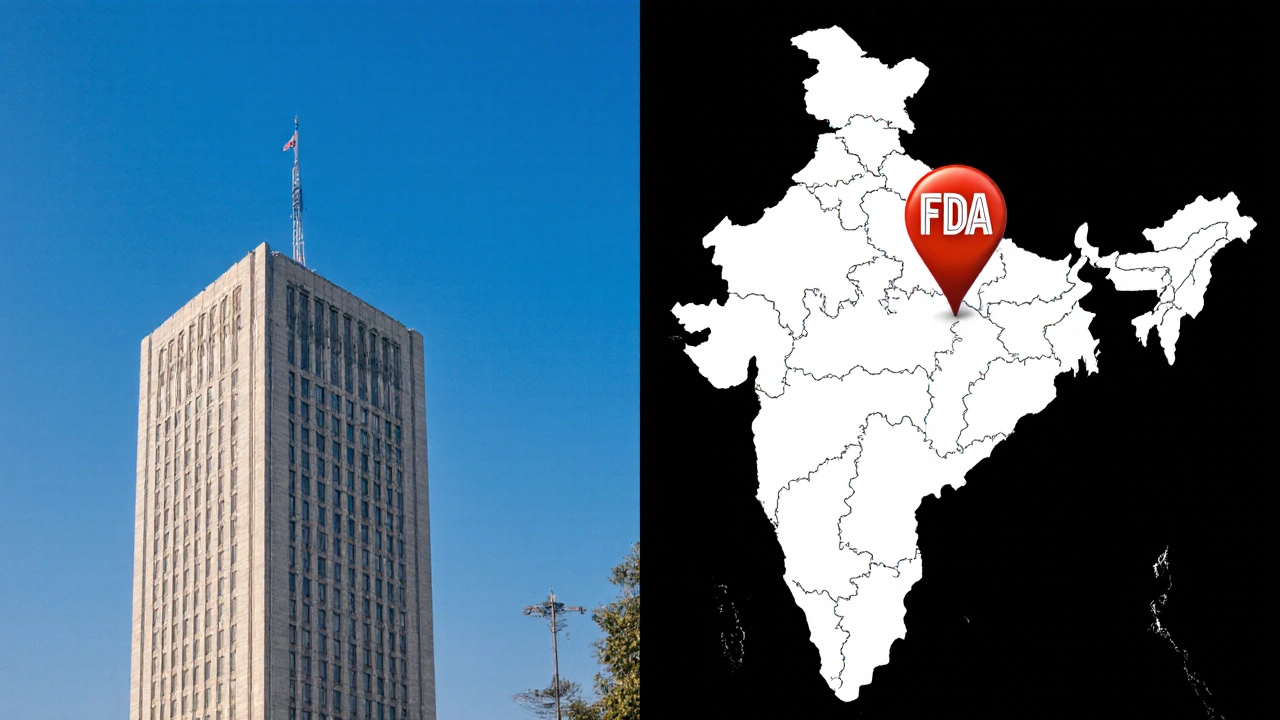
Explore why there's no FDA in India, learn about FSSAI and CDSCO, and discover how Indian manufacturers can achieve U.S. FDA approval for exports.