Food Technology: How Manufacturing Powers What We Eat
When you grab a frozen meal, a bottled drink, or even a packaged snack, you’re holding the result of food technology, the application of science and engineering to transform raw ingredients into safe, shelf-stable, and scalable food products. Also known as food processing, it’s not just about making food last longer—it’s about controlling flavor, nutrition, cost, and safety at every step. This isn’t magic. It’s factories, temperature-controlled lines, preservatives tested in labs, and packaging designed to block air and bacteria. And it’s bigger than you think. Companies like Nestlé, with over $58 billion in annual revenue, don’t just sell food—they engineer it. Every bite you take has been shaped by decisions made in labs, production plants, and supply chains far from your kitchen.
Food technology doesn’t stop at taste. It’s tied directly to food safety, the system of practices and regulations that prevent contamination and illness from processed food. Think about how milk becomes UHT cartons that last months without refrigeration, or how chicken nuggets stay consistent in shape and texture across thousands of locations. That’s not luck. It’s HACCP protocols, microbial testing, and automated quality checks. Meanwhile, food manufacturing, the large-scale production of packaged and processed food items is the engine behind this system. It’s not just about big brands. Small and mid-sized plants across India and globally are scaling up to meet demand for convenience, clean labels, and plant-based alternatives—all while cutting waste and energy use.
What you see on the shelf is just the end of a long chain. Behind it are chemical processes that stabilize flavors, machinery that fills millions of containers per hour, and data systems that track every batch from farm to store. The rise of food innovation, the development of new ingredients, packaging, or production methods to meet changing consumer needs is pushing this further. Think algae-based proteins, compostable wrappers, or AI-driven flavor matching. These aren’t sci-fi—they’re already in use. And they’re changing what’s possible for manufacturers trying to balance cost, speed, and sustainability.
What you’ll find in the posts below isn’t just theory. It’s real examples of how food technology connects to manufacturing, regulation, and market trends. You’ll see who’s leading the industry, what’s driving change, and how even small players are using new tools to compete. Whether you’re curious about how your lunch got made or thinking about starting a food business, the answers are here—no jargon, no fluff, just what matters.

Thinking of majoring in food science but not sure how tough it really is? This article goes straight to what makes food science challenging, what types of classes you'll take, and where food processing units fit into all of it. You’ll get real stories, practical hints, and down-to-earth advice. We'll break down the math, science, and hands-on labs you’ll face, and share smart tips for surviving and thriving. By the end, you’ll know if this major matches your interests and your study style.
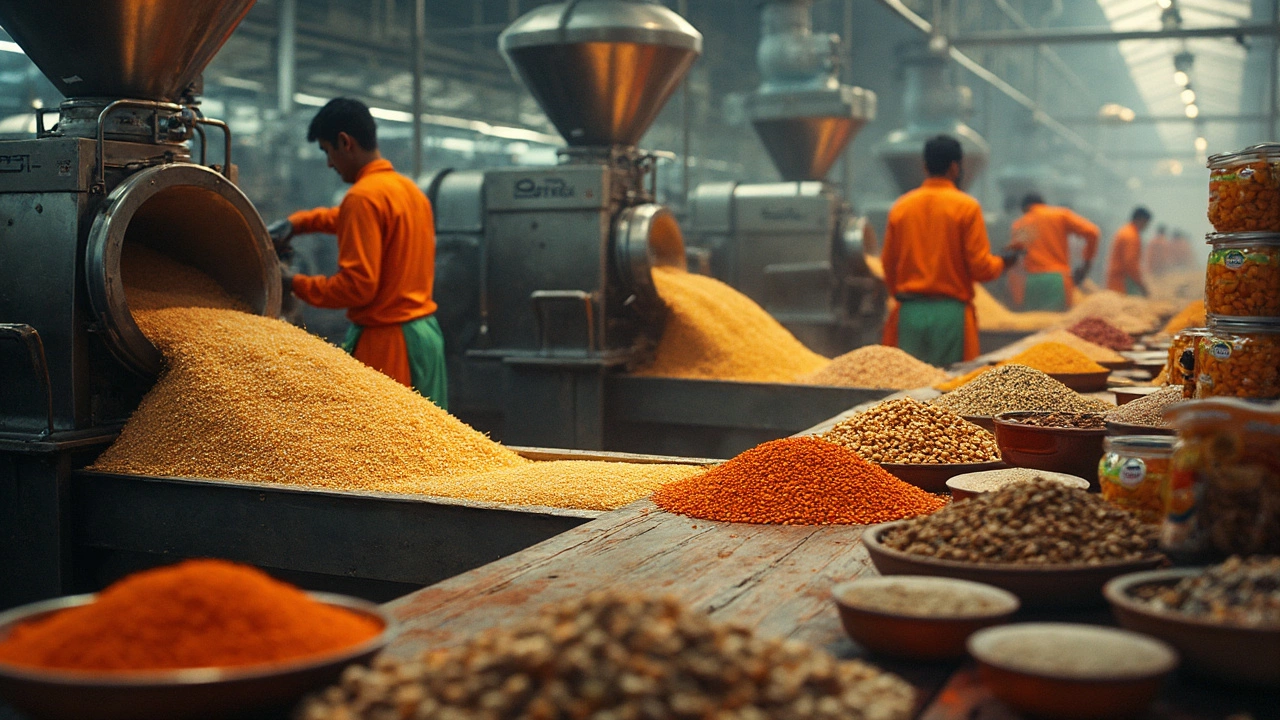
Not sure how unit operation and unit processing differ in food processing? This article cuts through the jargon, showing you where each fits in food factories. We’ll break down what these terms actually mean, where you spot them in real life, and why they matter so much for your wallet and the food you buy. You’ll pick up some smart tips that even people working in the industry sometimes miss. By the end, you’ll never mix these two up again.
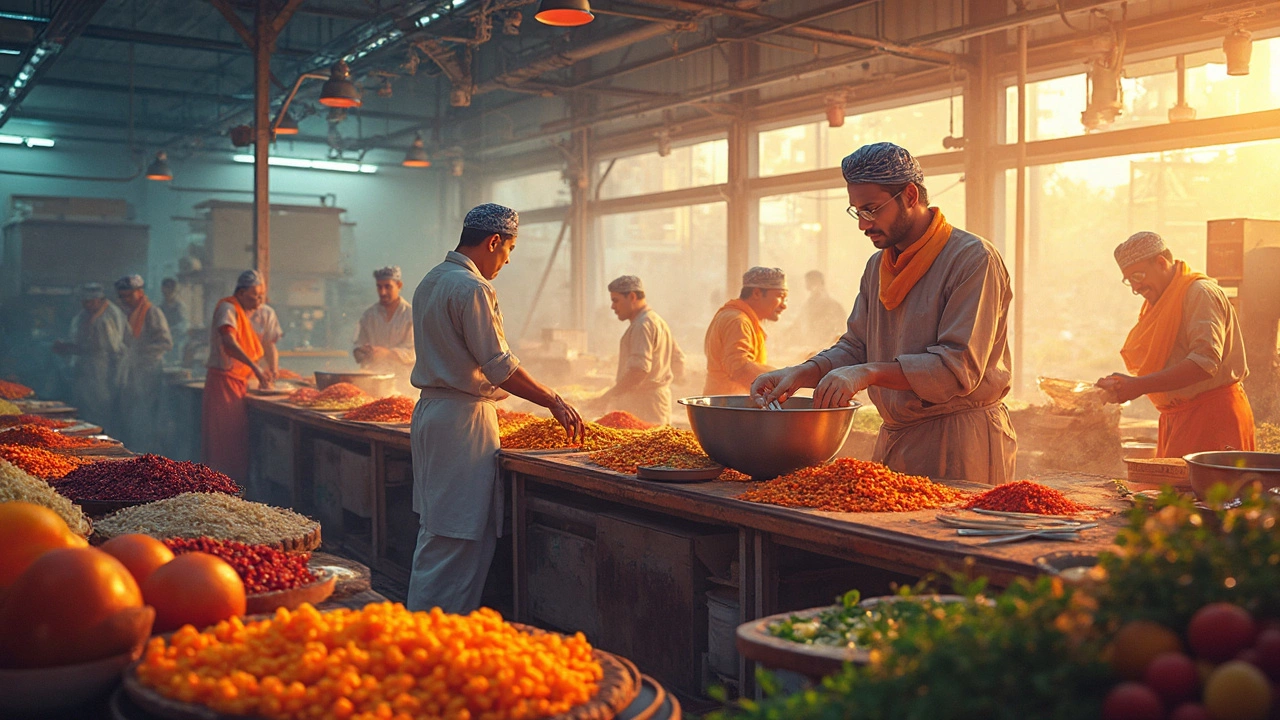
Unit operations in food production are the fundamental steps that turn raw ingredients into edible products. From mixing and heating to freezing and packaging, these operations play a crucial role in ensuring food safety and quality. This article explores key unit operations, their significance, and how they contribute to efficient food manufacturing. Understanding these processes is essential for anyone involved in the food industry.