Food Science: How Polymer Technology Shapes What We Eat
When you think of food science, the application of scientific principles to food production, safety, and preservation. Also known as food technology, it's the hidden engine behind every snack, meal, and drink you consume. It’s not just about calories or vitamins—it’s about how food stays safe from farm to fork. And one of the biggest players in that game? polymer technology, the use of synthetic and natural polymers to create packaging, containers, and processing tools that protect food. Without polymers, your yogurt cup wouldn’t hold, your frozen meals would freezer-burn in days, and your bottled water would leak or break.
Food science relies on polymers for more than just packaging. Think about the thin films that keep cheese from drying out, the vacuum-sealed trays that extend shelf life by months, or the antimicrobial coatings applied to food-contact surfaces in factories. These aren’t magic—they’re engineered materials designed with precision. Companies like Tirupati Polymers Manufacturing produce the exact types of polymers used in food-grade applications: non-toxic, heat-resistant, and compliant with global safety standards. These materials don’t just contain food—they actively preserve it. And when you combine this with food processing, the transformation of raw ingredients into consumable products through mechanical, thermal, or chemical methods, you get a system where packaging and production work together to reduce waste, lower costs, and reach more people.
But food science isn’t just about keeping food intact. It’s also about safety. Polymers help prevent contamination by acting as barriers against bacteria, moisture, and oxygen. They’re used in liners for milk cartons, seals on medicine bottles, and even in the membranes that filter water used in beverage production. When Nestlé or any major food processor needs to ship millions of units across continents, they don’t rely on glass or metal alone—they use advanced polymer solutions that are lightweight, durable, and recyclable. This is why food packaging, the design and materials used to enclose and protect food products for distribution and sale is one of the fastest-growing segments in industrial manufacturing. It’s not optional—it’s essential.
And it’s not just about the product. Food science drives innovation in how we produce, store, and even serve food. Central Production Units (CPUs) in restaurants, automated filling lines in factories, and sterile transport systems—all depend on polymer-based components that can withstand repeated cleaning, high temperatures, and constant use. The same materials that keep your takeout container intact are also used in the machines that fill it. This connection between manufacturing and food safety is real, measurable, and growing. If you’ve ever wondered why your frozen dinner still tastes fresh after six months, or why your soda bottle doesn’t leak when tossed in a backpack—it’s food science at work, powered by polymers.
What you’ll find below are posts that dig into the real-world impact of these technologies. From the companies driving plastic waste to the states leading manufacturing growth, you’ll see how food science ties into bigger trends in industry, policy, and sustainability. There’s no fluff—just facts about who makes what, where it’s produced, and how it affects what ends up on your table.
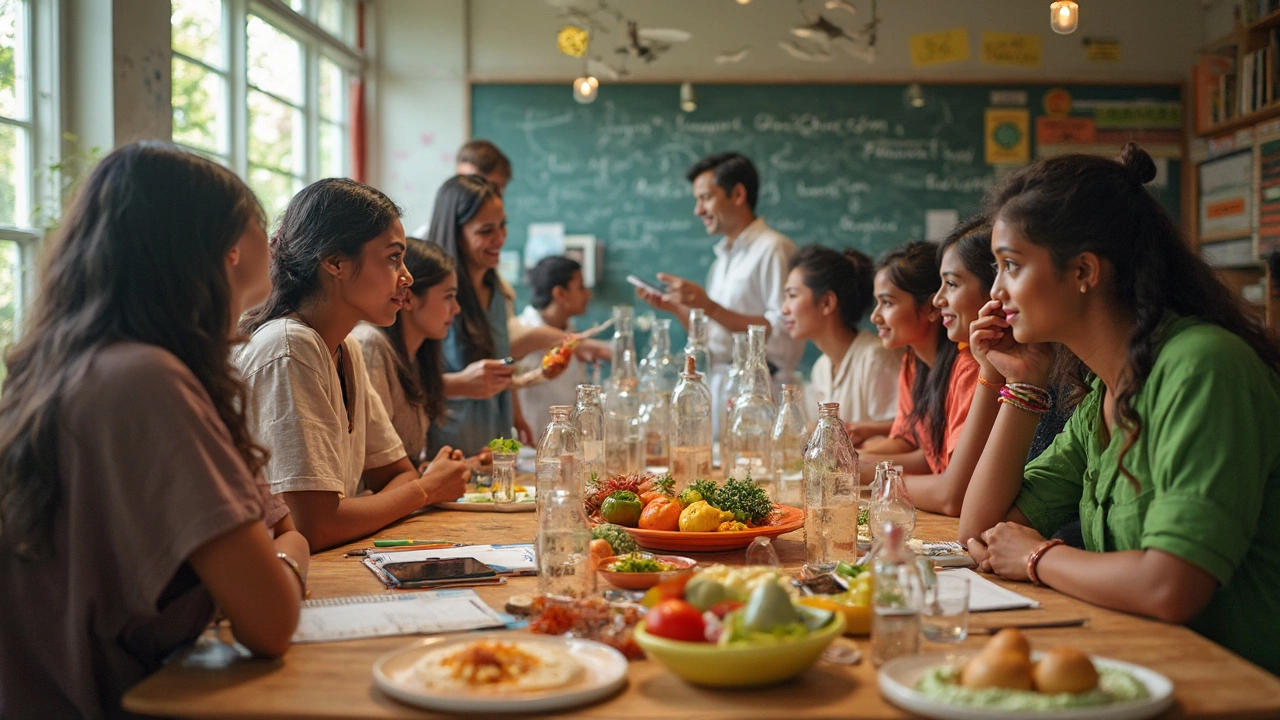
Thinking of majoring in food science but not sure how tough it really is? This article goes straight to what makes food science challenging, what types of classes you'll take, and where food processing units fit into all of it. You’ll get real stories, practical hints, and down-to-earth advice. We'll break down the math, science, and hands-on labs you’ll face, and share smart tips for surviving and thriving. By the end, you’ll know if this major matches your interests and your study style.