Food Manufacturing: How Polymer Solutions Power India's Food Industry
When you think about food manufacturing, the process of turning raw agricultural products into packaged, shelf-stable goods for consumers. Also known as food processing, it’s not just about cooking or mixing ingredients—it’s about keeping food safe, fresh, and accessible across the country. Behind every snack, ready-to-eat meal, or bottled drink is a system built on materials you rarely see: polymers, synthetic or semi-synthetic materials engineered for strength, flexibility, and resistance to moisture and chemicals. These aren’t just plastic bags. They’re multi-layer films that block oxygen, rigid containers that survive long-haul shipping, and seals that keep bacteria out. Without them, half of India’s food supply would spoil before it reaches your table.
Food packaging, the protective barrier that keeps food safe from contamination, moisture, and spoilage. is where polymers shine. Think of a packet of chips—its shiny inner layer isn’t aluminum. It’s a thin polymer film coated with metal, designed to lock in crunch and block light. Or a yogurt cup: it’s not just plastic. It’s a food-grade polymer blend that won’t leach chemicals, withstands cold storage, and resists cracking when dropped. In India’s booming food industry, these aren’t luxuries—they’re necessities. And as demand grows for ready-to-eat meals, frozen foods, and online grocery deliveries, the need for smarter, safer, and more sustainable packaging is exploding.
It’s not just about holding food. It’s about safety. food safety, the practice of handling, preparing, and storing food to prevent illness. depends on materials that don’t react with food, don’t break down under heat or cold, and don’t harbor microbes. Polymers used in food contact must meet strict standards—something Indian manufacturers like Tirupati Polymers focus on daily. These aren’t generic plastics. They’re engineered for compliance, durability, and performance under real-world conditions—from Delhi’s summer heat to Assam’s humidity.
What you’ll find in the posts below isn’t a random collection. It’s a direct look at how manufacturing works in India—whether it’s the chemical hubs in Gujarat producing the raw materials, the government schemes supporting MSMEs in packaging innovation, or the companies pushing back against plastic waste by redesigning materials from the ground up. You’ll see how the same polymers that go into food containers also show up in medical devices, textiles, and industrial parts. And you’ll understand why the right polymer isn’t just a cost—it’s a critical component in feeding a nation.
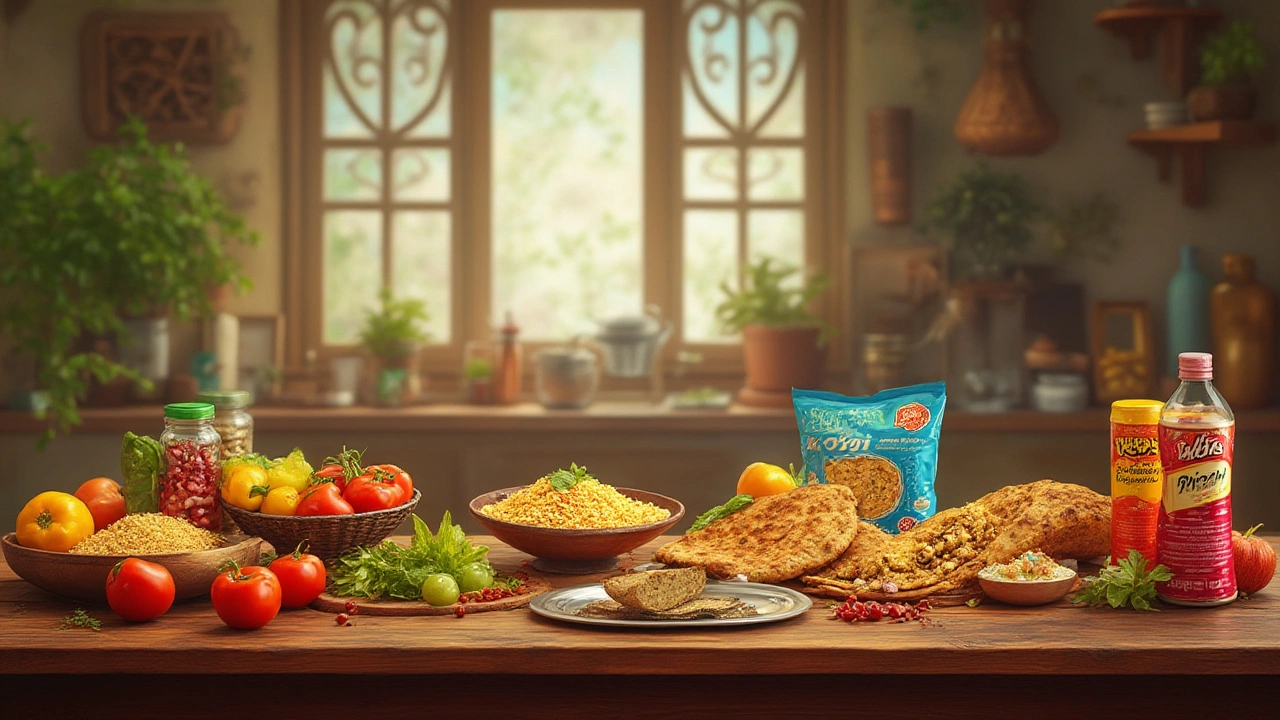
Break down the 4 food processing levels, see real examples, and get clear tips on choosing healthier foods in today's kitchen and supermarket.

Explore the world of food processing businesses and find out which ventures offer the best profit potential. Learn about high-demand products, cost-effective operations, and market trends that make certain businesses stand out. Discover practical steps and creative tips to kickstart your profitable journey in the food industry. This guide is perfect for anyone looking to dive into food manufacturing for lucrative opportunities.
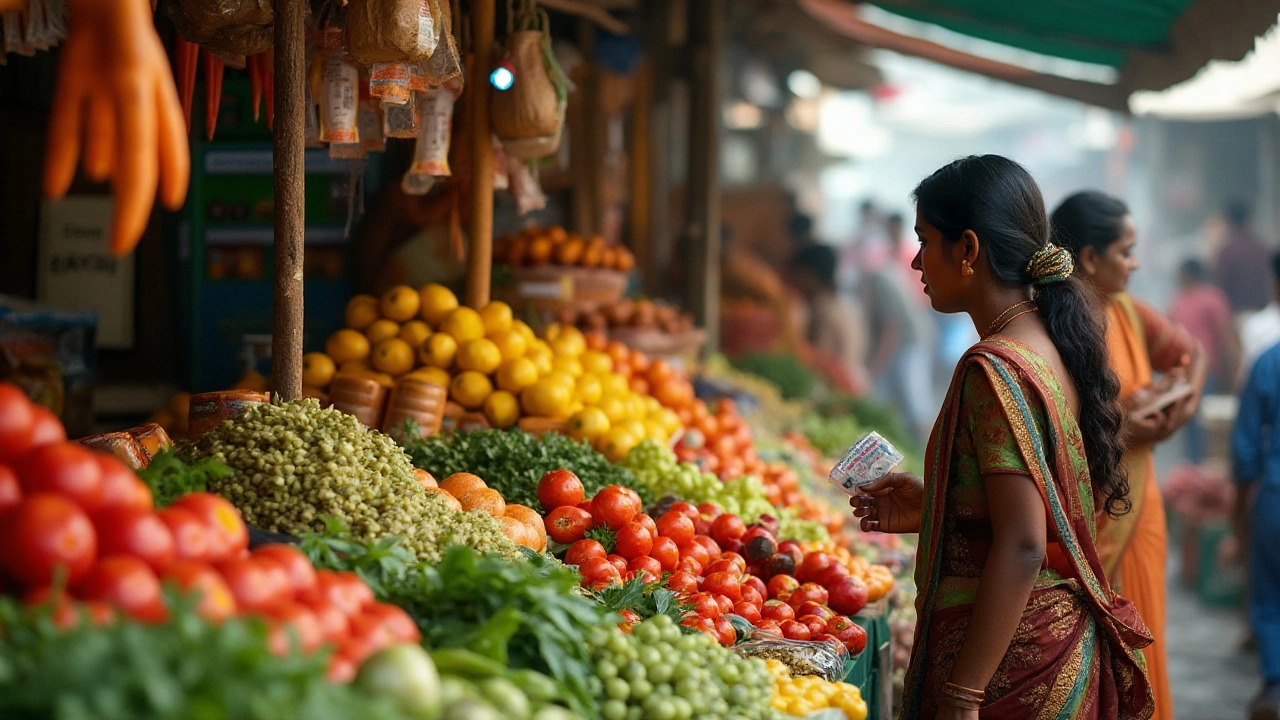
Food processing, a staple of modern food systems, isn't without its drawbacks. This article delves into how processing often reduces nutritional value by adding preservatives and artificial ingredients. It also touches upon the potential health risks of consuming heavily processed foods, including links to obesity and other chronic conditions. Additionally, the article considers the environmental impacts of food manufacturing and offers practical tips for mitigating these issues by making informed choices.