FDA India: What You Need to Know About Food and Drug Regulations in India
When people search for FDA India, the term often used to describe India’s food and drug regulatory framework. Also known as Indian FDA, it’s a common misnomer—because India doesn’t have an agency called the FDA. That name belongs to the U.S. Food and Drug Administration. In India, the real authority is the Central Drugs Standard Control Organization (CDSCO), the national body responsible for regulating drugs, cosmetics, diagnostics, and medical devices. And for food safety, it’s the Food Safety and Standards Authority of India (FSSAI), the independent body that sets standards and enforces compliance across food manufacturing and distribution. These are the entities that actually control what goes into your polymers, packaging, and industrial products if they touch food, medicine, or consumer health.
If you’re manufacturing polymers in India—whether for medical devices, food packaging, or pharmaceutical containers—you’re not just making plastic. You’re making part of a safety chain. The CDSCO sets rules for polymers used in drug packaging, requiring them to be non-reactive, non-toxic, and certified under Schedule M of the Drugs and Cosmetics Rules. Meanwhile, FSSAI governs any polymer that comes in contact with food. That means your polymer containers, lids, or films must meet migration limits for chemicals like BPA or phthalates. These aren’t suggestions. They’re legal requirements enforced through inspections, lab testing, and penalties. Companies that ignore this risk product seizures, export bans, or even criminal liability. And if you’re exporting to the U.S. or EU? You’re now playing by both Indian and foreign rules. The FDA in the U.S. doesn’t recognize Indian manufacturers unless they’re registered with CDSCO and can prove compliance with FSSAI and ISO 13485 standards for medical-grade materials.
Why This Matters for Polymer Manufacturers
Most manufacturers in Gujarat, Maharashtra, or Tamil Nadu know how to make high-quality polymers. But fewer understand the regulatory landscape that turns a good product into a legal one. Your polymer might be strong, durable, and cheap—but if it’s not approved for food contact or medical use, you can’t sell it to pharmaceutical companies, dairy brands, or bottled water producers. The gap isn’t in production. It’s in compliance. That’s why posts in this collection cover topics like manufacturing schemes, chemical hubs, and export trends—they all tie back to one thing: meeting standards. Whether you’re looking at PLI incentives for pharma packaging or trying to export to the U.S., you need to know who’s watching, what they’re checking, and how to prove you’re clean. This isn’t about bureaucracy. It’s about access. Without the right certifications, your product stays on the shelf. With them, it ships worldwide.
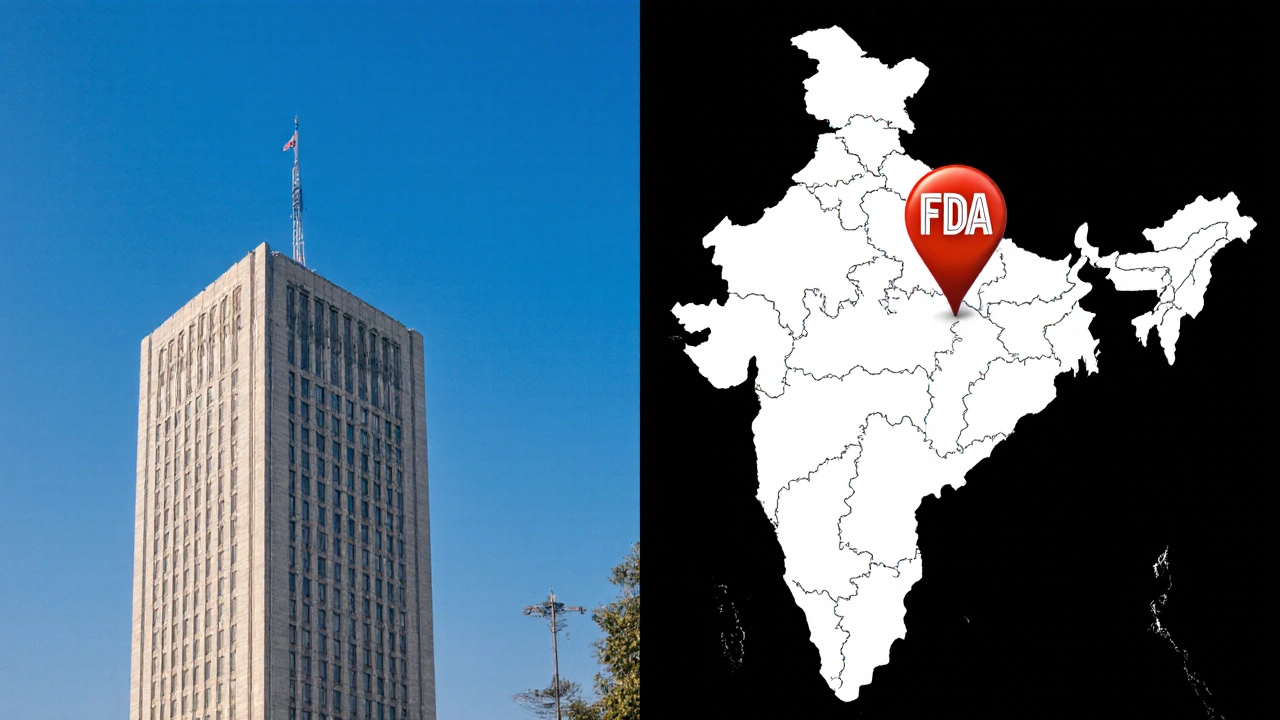
Explore why there's no FDA in India, learn about FSSAI and CDSCO, and discover how Indian manufacturers can achieve U.S. FDA approval for exports.