Factory Work: What It Really Takes to Run a Manufacturing Site
When you think of factory work, the hands-on, high-pressure environment where raw materials become finished goods. Also known as industrial production, it's the backbone of everything from plastic parts to textiles that power daily life in India and beyond. It’s not glamorous. No one posts TikToks of conveyor belts. But without it, your phone case, your water bottle, your car’s dashboard—none of it exists.
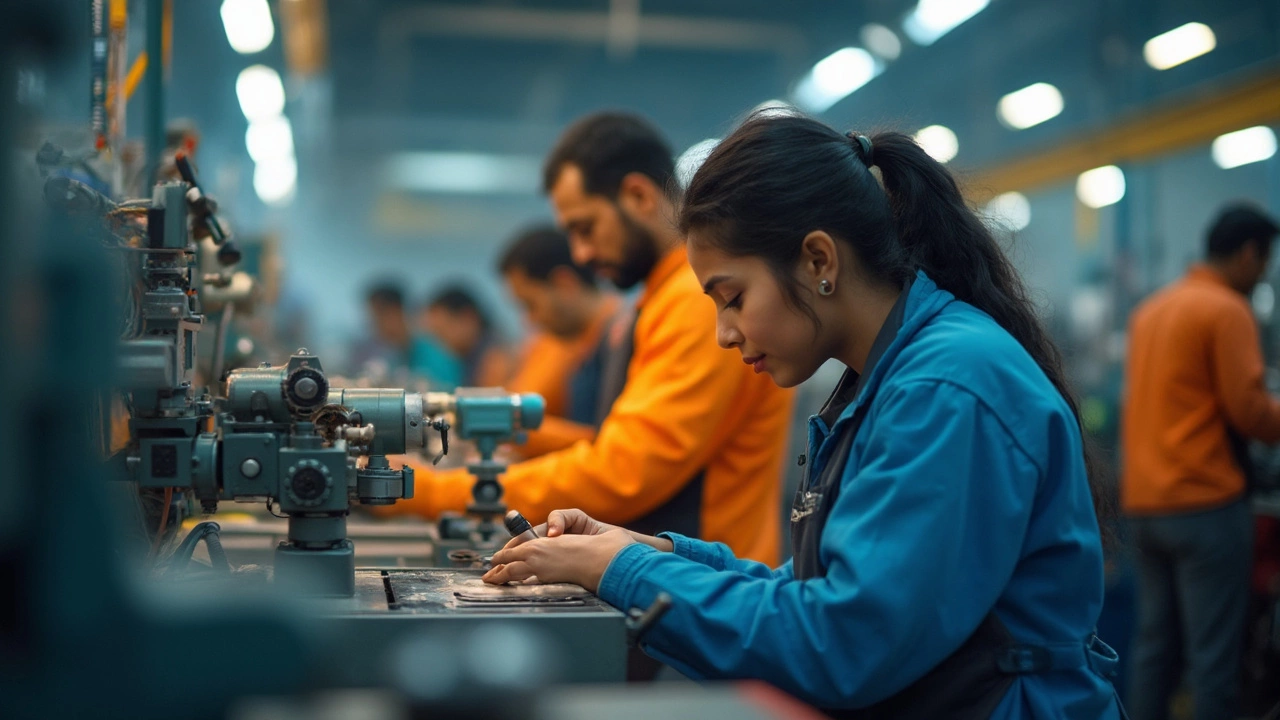
Factory work isn’t one thing. It’s a mix of production line, the organized sequence of tasks where each worker or machine adds value step by step, and industrial workers, the skilled, often underseen people who keep machines running, catch errors, and adapt when things go wrong. In places like Gujarat’s chemical hubs or Tamil Nadu’s textile zones, factory work means dealing with heat, noise, and tight deadlines—but also pride in making something real. These aren’t robots. They’re people trained to read machine vibrations, spot a misaligned mold, or fix a jammed extruder in under a minute.
What makes factory work sustainable? It’s not just machines. It’s manufacturing, the broader system that includes planning, quality control, supply chains, and safety protocols. Look at the posts below—you’ll see how government schemes like PLI and PMEGP aim to lift small factories, how plastic pollution ties back to how factories source materials, and why states like Gujarat dominate because they’ve built ecosystems around skilled labor and logistics. This isn’t theory. It’s what happens when a factory manager chooses to train workers instead of just hiring them, or when a startup learns that a $500 engraver beats a $50,000 injection mold for profitability.
There’s a myth that factory work is dying. It’s not. It’s changing. More automation? Sure. But more demand for people who understand both machines and materials? Absolutely. Whether you’re running a small plastic molding unit in Coimbatore or wondering why your water bottle was made in India, factory work is the quiet engine behind it all. Below, you’ll find real stories, data, and breakdowns—from the 5 Ps of manufacturing to who’s really behind plastic waste. No fluff. Just what matters on the floor.
Small scale manufacturing offers a variety of well-paying jobs. This article explores the highest-paying positions in the industry, providing insights into what makes them lucrative. Discover why machine operators and quality control inspectors are in demand. Learn what skills are required and how you can enter the field. If you're looking to pivot your career towards manufacturing, this guide sheds light on the best opportunities available.