Environmental Issues in Manufacturing: Plastic Waste, Pollution, and Sustainable Solutions
When we talk about environmental issues, problems caused by industrial activity that harm ecosystems, air, water, and human health. Also known as industrial pollution, these problems aren’t accidents—they’re built into how things are made. The biggest one? plastic pollution, the buildup of synthetic plastic waste in landfills, rivers, and oceans, largely from single-use packaging and industrial output. It’s not consumers throwing away bottles that’s the main problem—it’s companies making over 400 million tons of plastic every year, most of it designed to be thrown away after one use. A 2023 study found that just 20 companies produce over half of all single-use plastic waste globally. And guess what? Many of them are polymer manufacturers.
sustainable polymers, plastic materials engineered to break down safely, use less energy, or come from renewable sources instead of oil. are the quiet revolution happening in factories right now. They’re not magic. They’re science. Think bioplastics made from corn or sugarcane, recycled polymers that perform just as well as virgin plastic, or designs that cut material use by 30% without weakening the product. These aren’t future ideas—they’re being used today by manufacturers who see regulation, customer demand, and cost savings as reasons to change. Gujarat, India’s chemical hub, is already shifting. Factories there are testing new polymer blends that reduce carbon footprint while keeping strength and durability. This isn’t about being green for PR—it’s about surviving the next decade.
And then there’s corporate responsibility, the ethical and legal duty of manufacturers to reduce harm caused by their products and operations. It’s not optional anymore. Governments are tightening rules. Investors are asking tough questions. Customers are walking away from brands linked to pollution. The companies that win will be the ones who stop blaming consumers and start redesigning their entire supply chain—from raw materials to end-of-life disposal. That’s why posts here don’t just list problems. They name names. They show who’s producing the waste. They explain how recycling alone won’t fix this. And they point to real solutions: better materials, smarter design, cleaner processes.
You’ll find posts that break down who’s really behind plastic pollution, how chemical hubs like Jamnagar are changing, and what small manufacturers can do to cut waste without going broke. There’s no fluff. No vague promises. Just facts, names, and actionable paths forward. If you work in manufacturing, run a small business, or just care about clean water and air, this collection gives you the real story—and the tools to push for change.
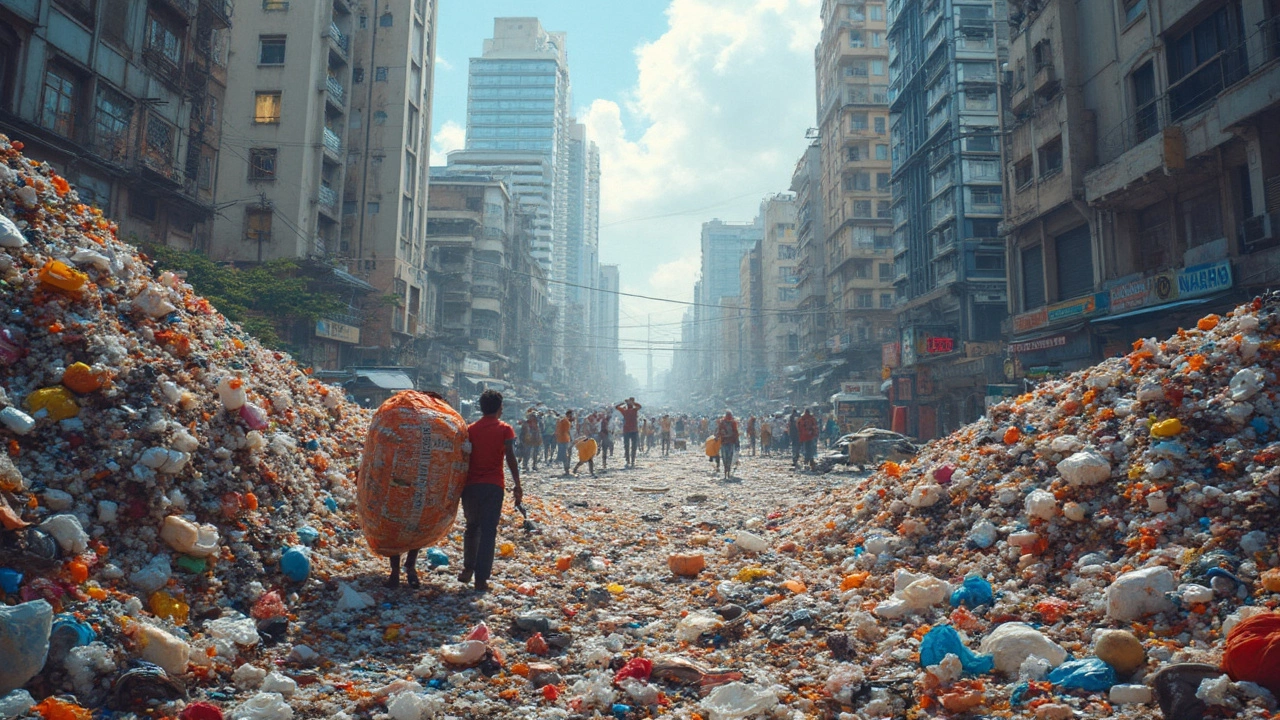
Exploring which country faces the most severe waste challenges isn't as straightforward as one might think. Various factors like population, infrastructure, and legislation play critical roles. This article dives into the global waste crisis, highlighting regions with significant waste management struggles. Expect insights into the roles of plastic manufacturers and tips on how countries can improve.