Declining Manufacturing Trends: Why Some Industries Are Shrinking and What It Means for India
When we talk about declining manufacturing, the measurable reduction in production output, workforce, or investment in traditional industrial sectors. Also known as industrial shrinkage, it’s not just about factories closing—it’s about entire supply chains losing momentum. This isn’t a global anomaly. In India, we’re seeing clear signs of decline in certain segments, even as others boom. The textile industry, for example, is growing in exports but struggling with outdated machinery in small mills. Chemical production is concentrated in Gujarat, but smaller players elsewhere are getting squeezed out by bigger firms and stricter environmental rules. And while polymer demand is rising, some low-margin, single-use plastic lines are being phased out—not because of lack of demand, but because of policy and public pressure.
What’s driving this? It’s not one thing. plastic pollution, the environmental damage caused by non-biodegradable waste, especially from packaging and consumer goods has turned public opinion—and government policy—against low-value plastic production. Meanwhile, government manufacturing schemes, state-backed programs like PLI and PMEGP designed to boost specific industries are funneling money into high-tech sectors like electronics and pharma, leaving behind older, labor-intensive lines. The result? A two-track system: modern, automated, high-margin production on one side, and shrinking, underfunded operations on the other.
Here’s the thing: declining manufacturing doesn’t always mean failure. Sometimes, it’s just evolution. A factory that made cheap plastic bags might now be retooling for biodegradable packaging. A small textile unit might shift from mass-produced cotton shirts to technical fabrics for medical or automotive use. The companies surviving aren’t the ones clinging to the past—they’re the ones adapting. The posts below show you exactly where the decline is happening, who’s being left behind, and how smart manufacturers are turning pressure into opportunity. You’ll see real examples from Gujarat’s chemical hubs, India’s textile belt, and the small-scale shops trying to stay alive. No fluff. Just what’s changing, why, and what you can do about it.
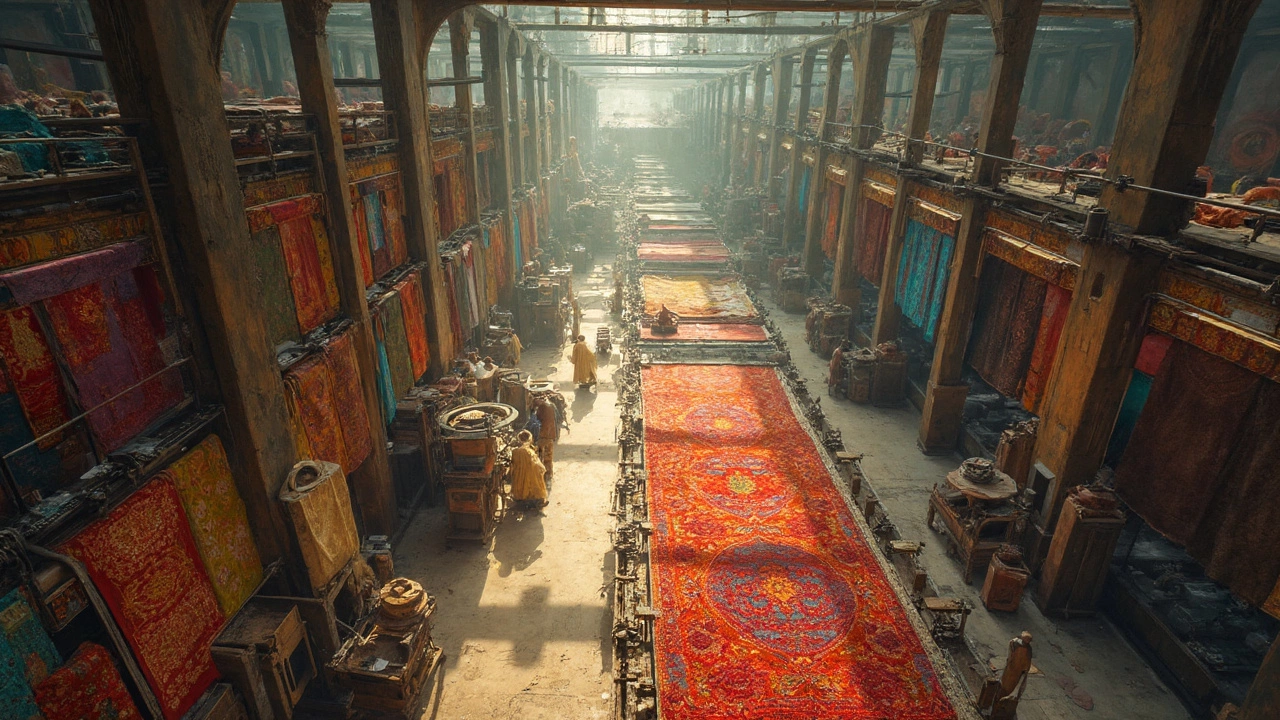
The textile industry in India, once a global leader, faces challenges that contribute to its decline. From outdated technology to intense global competition, the sector struggles to keep pace with modern demands. Additionally, rising production costs and strict environmental regulations add to the woes. Understanding these factors can help stakeholders devise strategies to revitalize this crucial industry.