Compliance in Manufacturing: Rules, Standards, and What You Need to Know
When we talk about compliance, the set of legal, environmental, and safety rules manufacturers must follow to operate legally and responsibly. Also known as regulatory adherence, it's not optional—it's the backbone of every factory that wants to stay open, sell products, and keep workers safe. In polymer manufacturing, compliance isn’t just about avoiding fines. It’s about making sure your plastic doesn’t leach toxins, your waste doesn’t poison rivers, and your workers aren’t breathing harmful fumes day after day.
Compliance ties directly to regulatory standards, official guidelines set by government agencies like India’s CPCB or global bodies like REACH and FDA. These rules control everything from the chemicals you use in polymer blends to how you label your packaging. For example, if you’re making food-grade containers, you can’t just use any plastic—you need materials certified under food safety regulations. And if you’re exporting, you’re not just following Indian rules—you’re playing by the rules of the EU, the US, and beyond. Then there’s manufacturing compliance, the daily practice of tracking, documenting, and proving you meet those standards. It’s not a one-time audit—it’s daily checks, training logs, waste records, and quality control reports that stack up over time. Companies that treat compliance as a chore end up with shutdowns, recalls, or lawsuits. Those that build it into their culture? They win contracts, earn trust, and scale faster.
Look at the posts below. You’ll see how compliance shows up in unexpected places. The 4 P’s of government schemes? They’re designed to help MSMEs meet compliance without going broke. Plastic pollution debates? They’re really about corporate accountability and regulatory gaps. Even the rise of Gujarat as India’s chemical hub? That’s not just about cheap land—it’s about infrastructure built to handle strict environmental compliance. And DPDP? That’s data compliance, the new frontier for digital records in manufacturing.
Compliance isn’t about red tape. It’s about building something that lasts. If you’re in polymer manufacturing, you’re not just making plastic—you’re making promises. To your customers. To your workers. To the planet. The posts ahead show you how real companies are getting it right—without the jargon, without the fluff, just clear, practical steps you can use tomorrow.
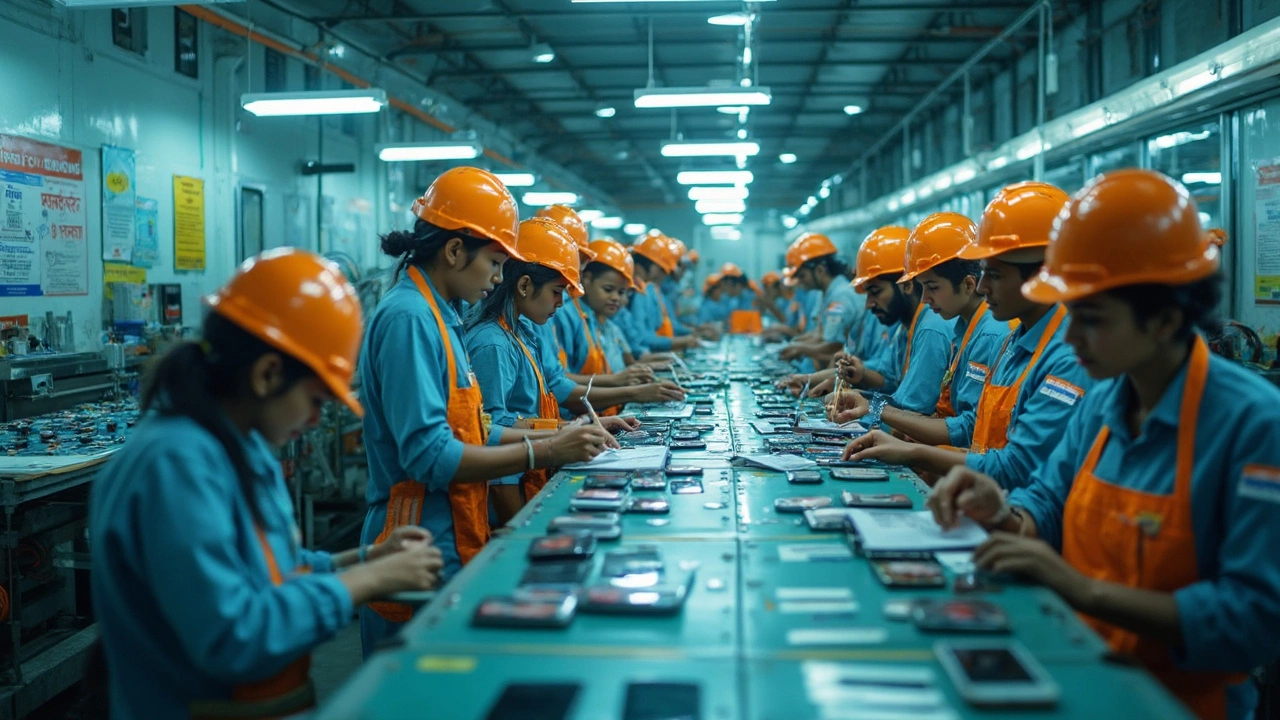
Ever wondered who actually keeps your favorite smartphone, car, or fridge up to standards before it lands in your hands? This article digs into how various government bodies oversee manufacturing, enforcing rules and rolling out schemes that shape what gets made and how. You'll find out which organizations have the final say on quality, safety, and compliance in the factory. We'll also fill you in on why this oversight matters, drop some surprising facts, and share advice for making sense of government programs. From small startups to big-time factories, see what’s happening behind the scenes.