Chemical Manufacturers: Who They Are, Where They Operate, and What They Make
When you think of chemical manufacturers, companies that produce industrial substances used in everything from plastics to fertilizers and medicines. Also known as chemical producers, they’re the quiet backbone of modern industry—working behind the scenes to make the materials your phone, clothes, and car are built from. These aren’t just labs with beakers. They’re large-scale plants, often located near ports or energy hubs, turning crude oil, natural gas, and minerals into usable compounds. In India, this isn’t scattered across the country—it’s concentrated. One state, Gujarat, the leading hub for chemical production in India, responsible for nearly half the nation’s output. Cities like Jamnagar and Dahej host giants like Reliance, turning raw materials into polymers, dyes, and pharmaceutical intermediates that ship out globally.
Polymer production, a core output of many chemical manufacturers, is what turns basic chemicals into the plastics, fibers, and resins we use daily. Tirupati Polymers Manufacturing is one of many players in this space, focusing on durable, sustainable polymer solutions for Indian industries. But chemical manufacturers don’t stop there. They also supply raw materials for textiles, agrochemicals, paints, and even food additives. The difference between a cheap plastic bottle and a medical-grade container? That’s all in the chemical formulation—and the manufacturer behind it. And while some companies focus on volume, others specialize in high-purity chemicals for electronics or pharma, where even a tiny impurity can ruin a batch.
Location isn’t just convenient—it’s critical. Gujarat dominates because of its port access, reliable energy supply, and state policies that attract investment. Other states like Maharashtra and Tamil Nadu have their own niches, but none match Gujarat’s scale. Meanwhile, the global demand for sustainable chemicals is pushing manufacturers to rethink waste, energy use, and sourcing. The best ones aren’t just making chemicals—they’re redesigning how they’re made. In the posts below, you’ll find deep dives into who the top players are, why Gujarat leads the pack, how government schemes like PLI are changing the game, and what’s really behind plastic pollution. No fluff. Just clear facts about who makes what, where, and why it matters to you.
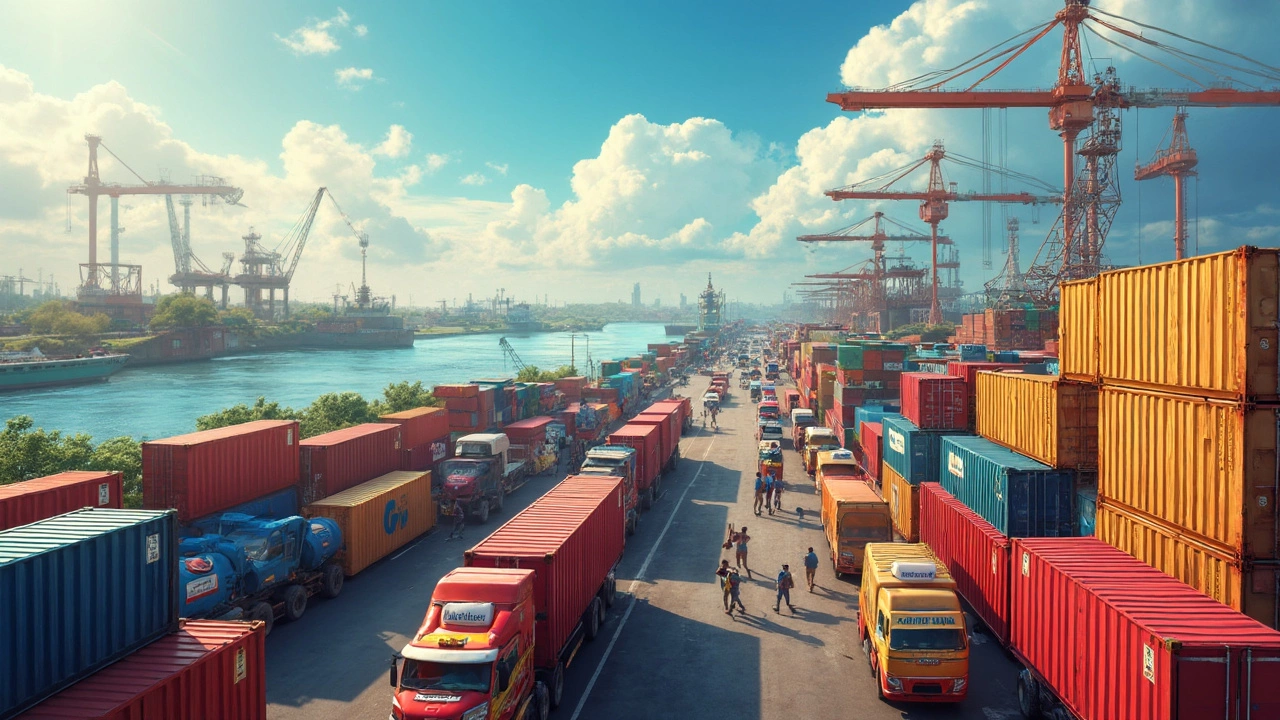
India relies on importing several key chemicals to power its industries, especially since local production sometimes can't meet the huge demand. This article breaks down which chemicals get imported the most, why that's the case, and how it impacts manufacturers. Discover interesting figures, real-world trade facts, and practical tips if you follow this sector. Stay ahead with updated knowledge on India's changing chemical import scene.