Chemical Imports: What You Need to Know About India’s Supply Chain
When you think of chemical imports, the flow of industrial chemicals into India from global suppliers to support manufacturing, packaging, and construction. Also known as industrial chemical sourcing, it’s the unseen backbone of everything from plastic bottles to pharmaceuticals. India doesn’t make every chemical it uses. Even though Gujarat produces over 44% of the country’s chemicals and hosts giants like Reliance, there are still key ingredients that must be brought in from abroad—specialty monomers, high-purity catalysts, and advanced polymer additives that local plants can’t yet produce at scale.
Why does this matter? Because polymer manufacturing, the process of turning raw chemicals into plastics, fibers, and resins used in packaging, automotive parts, and textiles relies on consistent access to these imported inputs. If a key chemical shipment gets delayed at a port, entire production lines slow down. That’s why companies like Tirupati Polymers track global supply trends closely—knowing when China’s output drops or when European regulations change helps them adjust sourcing before prices spike.
The Gujarat chemical industry, the epicenter of India’s chemical production, handling over 80% of petrochemical exports and hosting major refineries and polymer plants doesn’t just make chemicals—it’s also the biggest importer. Dahej and Jamnagar ports see hundreds of tankers a year carrying ethylene, propylene, and other building blocks. These aren’t just random imports; they’re carefully chosen to match the exact specs needed for high-quality polymer output. What’s more, recent government schemes like PLI are pushing for local production of these inputs, but the transition takes time. Until then, imports remain essential.
It’s not just about volume—it’s about quality. A single batch of impure chemical can ruin a whole run of medical-grade plastic. That’s why top manufacturers don’t just buy cheap imports—they vet suppliers, demand certifications, and test samples. The best companies treat chemical sourcing like a precision operation, not a commodity purchase.
What you’ll find below are real insights from posts that dig into how India’s chemical landscape works—from which states dominate production to who’s really behind the plastic crisis. You’ll see how policy shifts, global trade patterns, and local innovation are changing what gets imported, what gets made at home, and why it all matters for the factories and businesses depending on these materials.
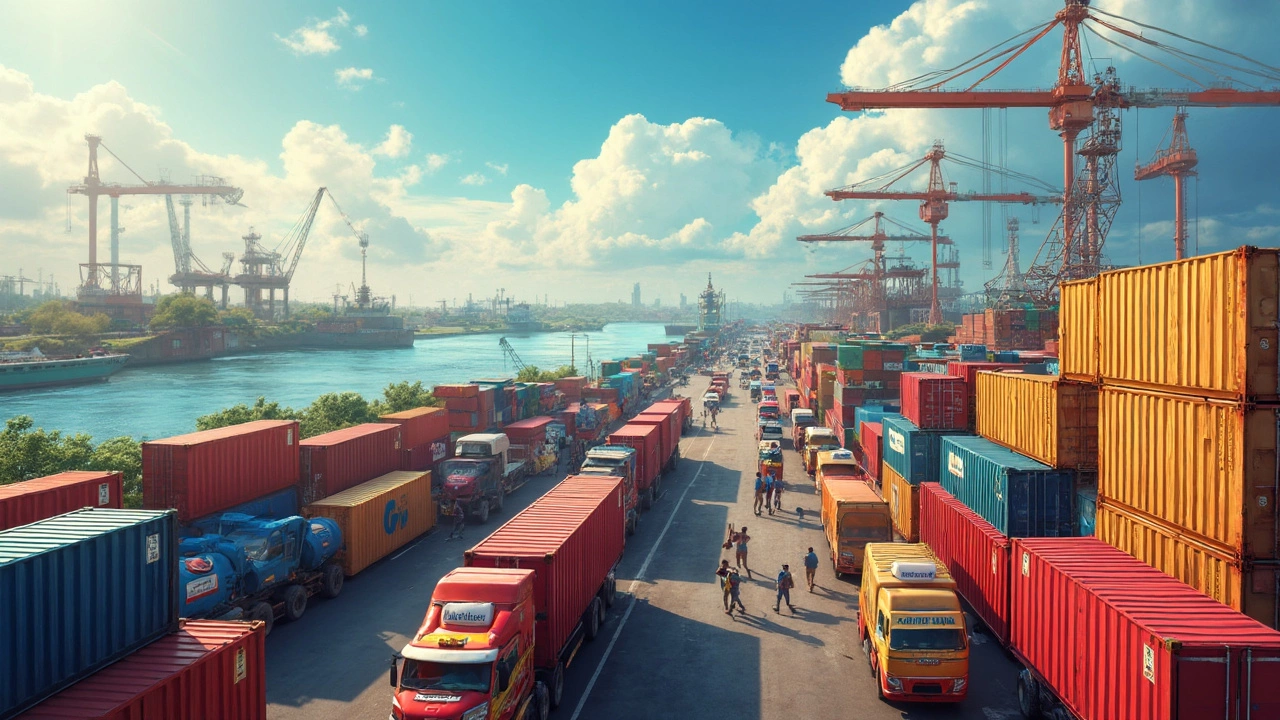
India relies on importing several key chemicals to power its industries, especially since local production sometimes can't meet the huge demand. This article breaks down which chemicals get imported the most, why that's the case, and how it impacts manufacturers. Discover interesting figures, real-world trade facts, and practical tips if you follow this sector. Stay ahead with updated knowledge on India's changing chemical import scene.