Car Manufacturing: How Polymers Power Modern Vehicles
When you think of a car, you picture metal, glass, and rubber—but car manufacturing, the process of assembling vehicles for road use. Also known as automotive production, it now relies heavily on polymers, synthetic materials made from long-chain molecules that are lightweight, durable, and moldable. These aren’t just plastic trim pieces—they’re structural parts, safety components, and even engine housings. Modern cars use over 200 kilograms of polymer materials per vehicle. That’s more than steel in many models. From bumpers that absorb impact to dashboards that stay cool in the sun, polymers do jobs metal can’t—without adding weight that hurts fuel efficiency.
India’s polymer manufacturing, the industrial process of turning raw chemicals into usable plastic and synthetic materials is booming because of this shift. Companies like Tirupati Polymers don’t just supply raw pellets—they help auto makers design parts that reduce weight, cut emissions, and lower production costs. The same polymers used in water bottles are now in car doors, seats, and even battery casings for electric vehicles. And it’s not just about saving money. A lighter car uses less energy, lasts longer, and is easier to recycle. That’s why top global brands now work directly with polymer producers during the design phase, not just the assembly line.
What’s surprising is how much of this happens right here in India. Gujarat’s chemical hubs, like Dahej and Jamnagar, produce the base resins that end up in cars across Asia. The country’s automotive plastics, plastic components specifically engineered for use in vehicles market is growing faster than most expect. And it’s not just about volume—it’s about precision. Injection-molded parts must fit within millimeters, survive extreme heat and cold, and last 15 years without cracking. That’s why polymer manufacturers now test materials like they’re building rocket parts.
If you’ve ever wondered why newer cars feel quieter, lighter, and more refined, the answer isn’t just better engineering—it’s better polymers. And behind every smooth dashboard, every impact-resistant fender, and every silent gear shift is a story of chemical innovation happening in factories across India. Below, you’ll find real insights into how these materials are made, who uses them, and why the future of cars is no longer just metal—it’s plastic, too.
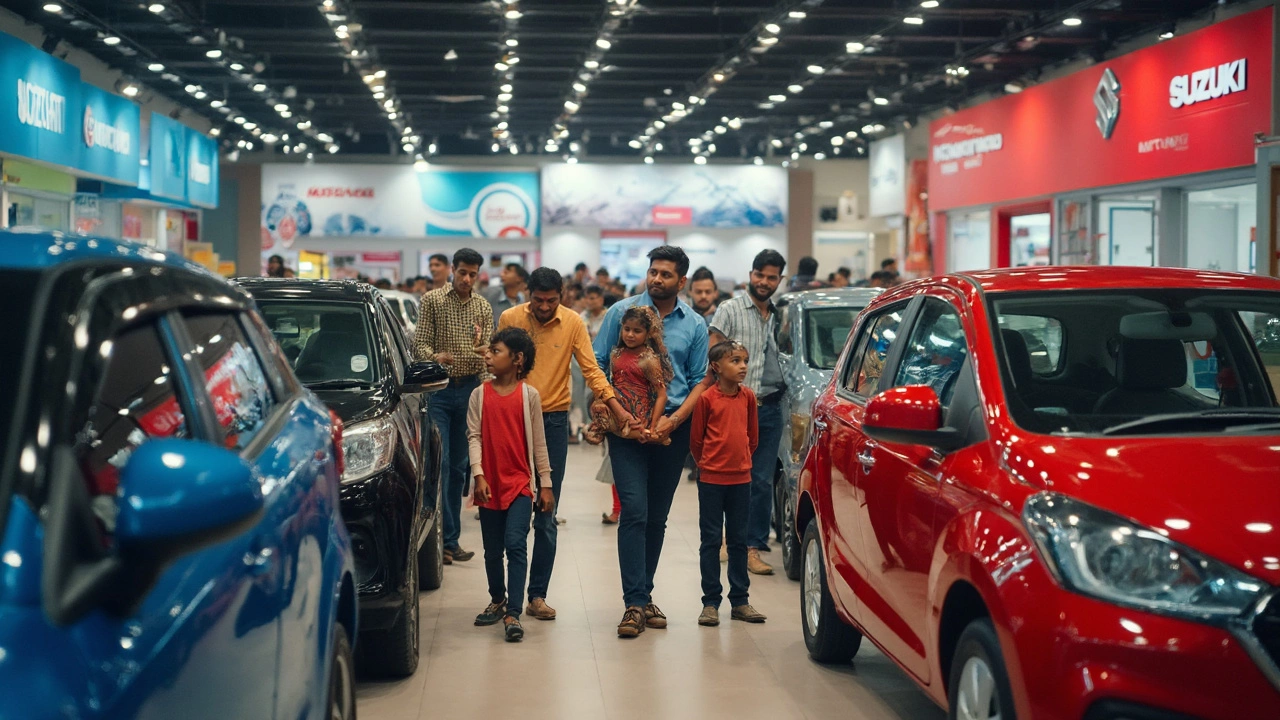
India's automobile industry is a behemoth, full of competitive players battling for pole position. Maruti Suzuki, a household name in India, leads the pack as the largest car manufacturer. By consistently offering affordable, reliable, and fuel-efficient cars, it has captured a significant market share. This article explores how Maruti Suzuki, along with other key players like Hyundai and Tata Motors, have shaped India’s automobile landscape.