Automobile Manufacturing: How Polymers Power Cars Today
When you think about automobile manufacturing, the process of designing, engineering, and assembling vehicles for mass use. Also known as car production, it's no longer just about steel frames and rivets—it’s built on polymers, synthetic materials engineered for strength, flexibility, and lightweight performance.
Modern cars are made of up to 50% plastic and polymer-based parts. From dashboards and bumpers to fuel tanks and wiring insulation, these materials cut weight, improve fuel efficiency, and lower emissions. That’s why companies like Tirupati Polymers Manufacturing focus on producing high-grade polymers tailored for automotive use. These aren’t cheap plastics—they’re engineered to survive extreme heat, constant vibration, and years of exposure to sun and road salt. And in India, where auto production is growing fast, local polymer suppliers are becoming critical to keeping assembly lines running.
It’s not just about replacing metal. Polymers enable new designs—like integrated air ducts molded in one piece instead of welded together, or noise-reducing interior panels that don’t need extra padding. This reduces parts count, speeds up assembly, and cuts costs. The same polymers used in car interiors are also helping make electric vehicles lighter, which means longer range on a single charge. And with India pushing for EV adoption, demand for specialized polymer blends is rising fast.
Behind every smooth car door handle or durable dashboard is a polymer formulation tested for safety, durability, and environmental impact. That’s why the link between polymer production, the industrial process of creating synthetic materials at scale and automobile manufacturing is stronger than ever. You won’t find this connection in old textbooks—but you’ll see it in every new car rolling off the line in Gujarat, Tamil Nadu, or Maharashtra.
Below, you’ll find real insights from manufacturers, industry reports, and supply chain breakdowns that show exactly how polymers are changing the game—from the factory floor to the showroom. No fluff. Just what works, what’s changing, and what’s next.
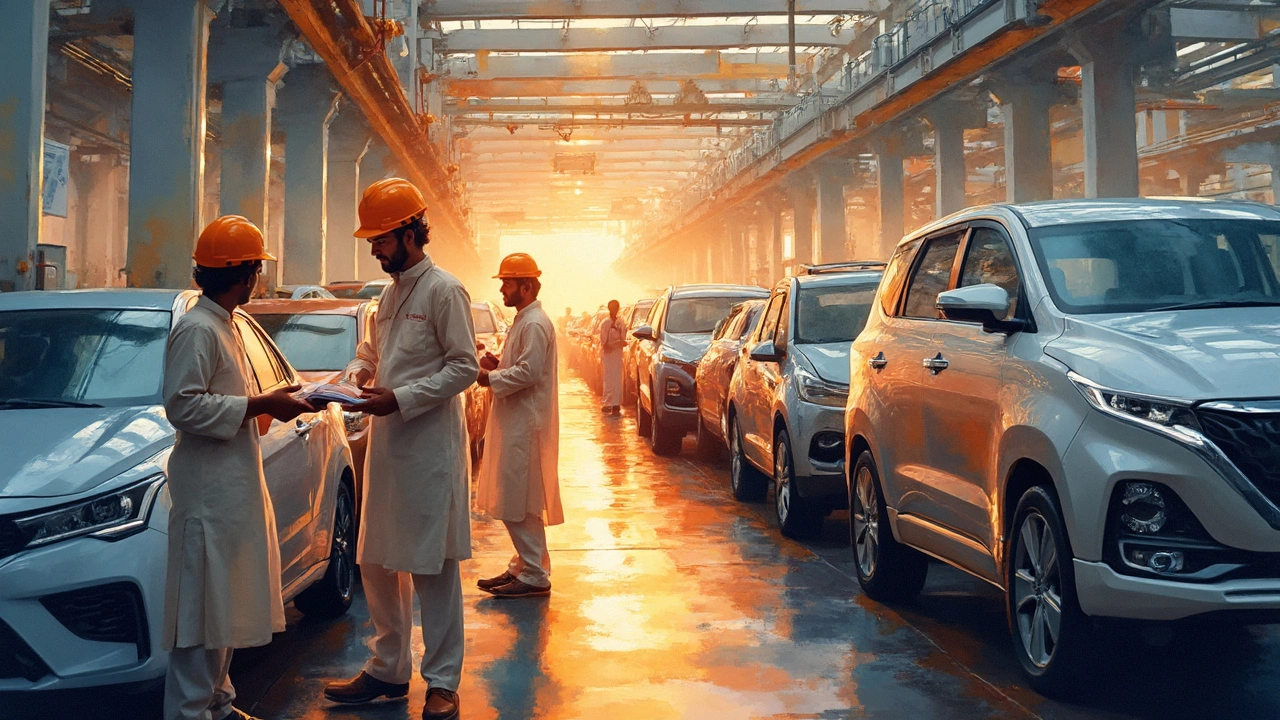
Ever wondered why you don't spot Indian cars on US highways? Despite India's booming car industry, several roadblocks prevent these vehicles from crossing into American territory. Explore the aspects of market fit, safety regulations, and consumer preferences shaping this automotive absence. Discover the nuances behind India's attempts and future prospects for cracking the US car market.