Automobile Industry and How Polymers Power Modern Cars
When you think about a car, you probably picture metal, glass, and rubber—but automobile industry, the global sector that designs, manufactures, and sells vehicles. Also known as auto manufacturing, it’s now built as much on plastic as it is on steel. Modern cars are made of up to 50% polymer materials by weight. From dashboards to bumpers, fuel tanks to seat frames, polymers aren’t just filling space—they’re making cars safer, lighter, and more efficient.
That shift didn’t happen by accident. polymer manufacturing, the process of turning raw chemicals into durable plastic compounds. Also known as plastic production, it’s now a backbone of automotive supply chains. Companies like Tirupati Polymers Manufacturing produce custom polymer blends that replace metal in parts like air intake manifolds and radiator tanks. Why? Because a polymer part can be 40% lighter than its metal counterpart, which directly improves fuel economy and cuts emissions. And it’s not just about weight—polymers resist corrosion, dampen noise, and can be molded into complex shapes in one piece, reducing assembly time and cost.
The automotive plastics, specific polymer types used in vehicle construction. Also known as engineering thermoplastics, they include polypropylene, ABS, and polycarbonate—materials chosen for their strength, heat resistance, and recyclability. These aren’t cheap knockoffs. They’re engineered to survive extreme temperatures, UV exposure, and years of vibration. In electric vehicles, polymers even help insulate batteries and protect wiring from moisture. And as automakers race to hit carbon targets, the push for bio-based and recycled polymers is accelerating. Brands are now using ocean-bound plastic in floor mats and recycled PET in seat fabrics.
It’s not just about what’s inside the car—it’s about how it’s made. car components, the individual parts that make up a vehicle’s structure and function. Also known as auto parts, they’re increasingly designed around polymer capabilities. Door panels? Molded from polypropylene. Headlight housings? Made from polycarbonate. Even engine covers and air ducts are now polymer-based. This shift means fewer parts, fewer welds, fewer fasteners—and faster production lines.
So when you see a sleek new sedan or SUV, remember: most of what you’re touching isn’t metal. It’s polymer. And behind every smooth surface is a manufacturing process designed for precision, performance, and sustainability. The automobile industry doesn’t just use polymers—it depends on them. And as electric vehicles, autonomous tech, and green regulations reshape the market, polymer innovation will keep leading the way.
Below, you’ll find real insights from manufacturers, suppliers, and industry analysts on how polymers are changing car design, cutting costs, and pushing sustainability forward. No fluff. Just what’s actually happening on the factory floor and in the R&D labs.
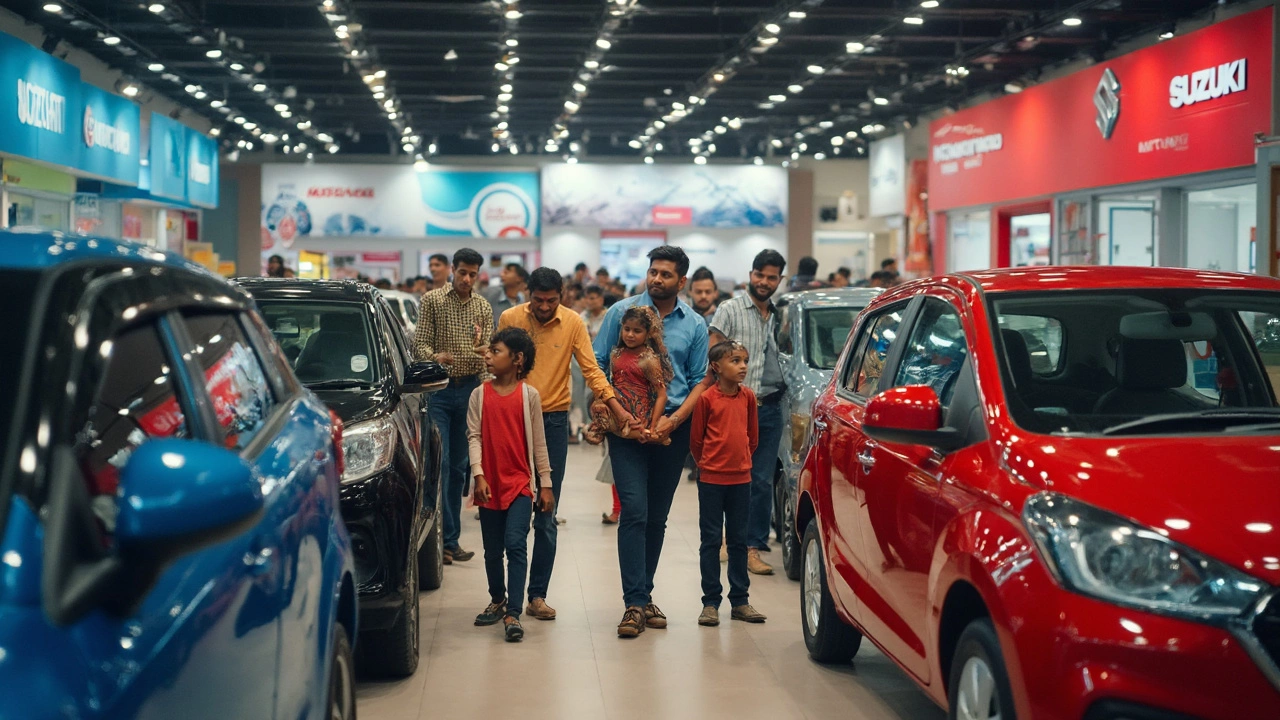
India's automobile industry is a behemoth, full of competitive players battling for pole position. Maruti Suzuki, a household name in India, leads the pack as the largest car manufacturer. By consistently offering affordable, reliable, and fuel-efficient cars, it has captured a significant market share. This article explores how Maruti Suzuki, along with other key players like Hyundai and Tata Motors, have shaped India’s automobile landscape.