Automobile India: Manufacturing, Policies, and the Future of Cars Made in India
When we talk about Automobile India, the growing ecosystem of car design, assembly, and component manufacturing across the country. Also known as Indian automotive industry, it’s not just about assembling vehicles—it’s about building a supply chain that includes everything from steel frames to polymer dashboards and plastic fuel tanks. Over 70% of the plastic parts in modern cars—like bumpers, interior trims, and under-the-hood components—are made right here in India, mostly by companies like Tirupati Polymers that supply directly to major automakers.
The Indian automobile industry, a key driver of manufacturing growth and employment. Also known as auto sector India, it’s shaped by state-level policies, export demand, and the push for electric vehicles. Gujarat and Tamil Nadu lead in production, with Gujarat alone handling nearly half the country’s chemical and polymer output used in car parts. Meanwhile, government schemes like PLI and PMEGP are helping small manufacturers shift from making basic parts to high-value components like lithium-ion battery housings and lightweight composite panels. You won’t find this in old textbooks: today’s Indian-made cars use more polymer than metal in non-structural parts, cutting weight, cost, and emissions. That’s why plastic manufacturers are now as critical as steel mills in this space.
And it’s not just about volume. The real shift is in quality and innovation. Companies are now designing parts that last longer, resist UV damage, and survive extreme Indian temperatures—all while being 100% recyclable. The plastic components in cars, critical for safety, comfort, and efficiency in modern vehicles. Also known as automotive plastics, they’re no longer just cheap substitutes—they’re engineered solutions that meet global standards. From ABS dashboards to polypropylene door panels, these materials are tested, certified, and tailored for Indian roads and climate. If you’re wondering why some Indian cars feel more premium now, it’s because the plastics inside them are smarter than ever.
What you’ll find in the posts below isn’t just news—it’s a roadmap. You’ll see which states are winning the manufacturing race, how government schemes are reshaping supply chains, who’s really behind plastic waste in the auto sector, and why the next big thing in Indian cars might not be the engine—but the plastic housing around it.
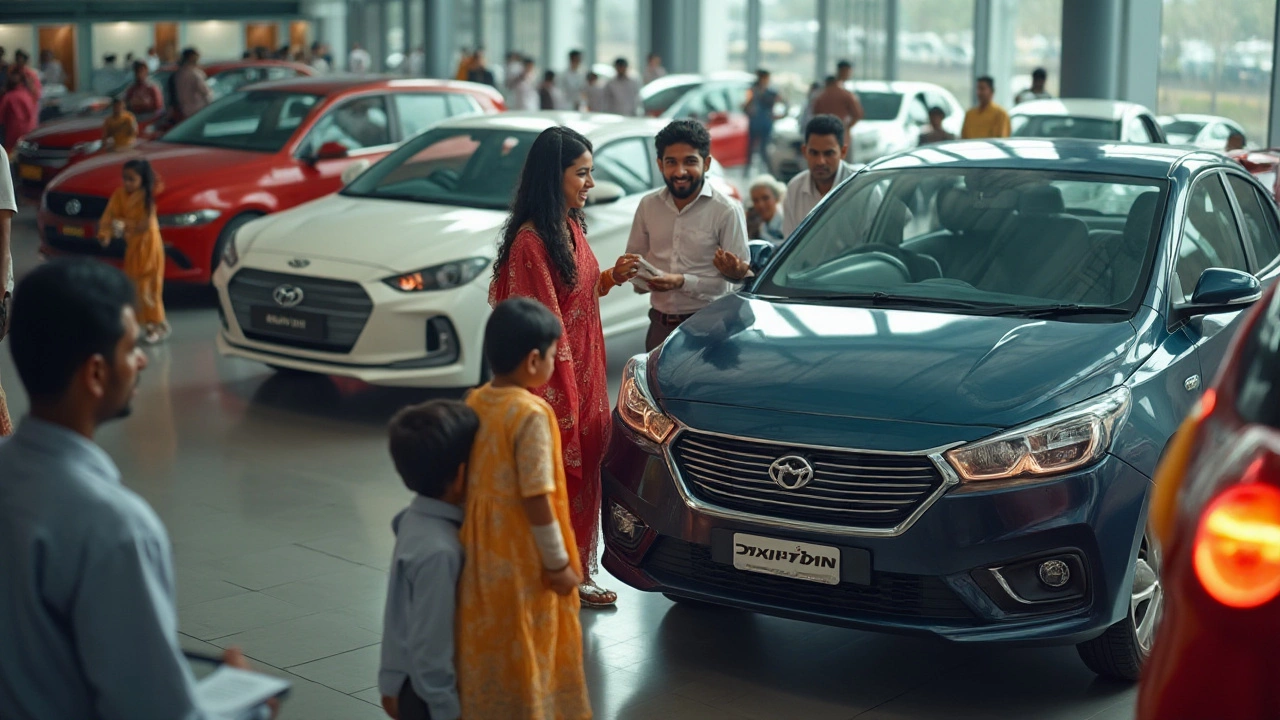
In the bustling world of Indian automobile manufacturing, various factors are considered when ranking the best cars, from performance and design to consumer satisfaction and pricing. This article delves into the current leaders of the Indian automotive market as of 2025. The discussion includes insights into the latest models, notable features, and why they captivate drivers. Readers will also discover tips for choosing the best car to fit their needs.