Auto Industry India: Key Players, Trends, and Polymer Applications
When you think of the auto industry India, the growing network of vehicle manufacturers, suppliers, and component makers that produce cars, trucks, and two-wheelers across the country. Also known as the Indian automotive sector, it’s one of the fastest-expanding manufacturing bases in the world, producing over 6 million vehicles a year and supplying parts to global brands. But behind every car door, dashboard, or headlight is something you don’t see: polymer manufacturing, the process of turning raw plastic resins into durable, lightweight parts that replace metal in modern vehicles. This isn’t just about saving weight—it’s about cutting fuel use, lowering emissions, and making cars cheaper to build and repair.
India’s auto industry doesn’t just assemble cars—it builds them from the ground up. Cities like Chennai, Pune, and Gurugram are home to giants like Maruti Suzuki, Tata Motors, and Hyundai, but the real backbone is the supply chain. Over 70% of interior parts in new Indian cars now use polymers: bumpers made from ABS plastic, dashboards from polypropylene, air ducts from nylon. These aren’t cheap substitutes—they’re engineered to meet crash safety standards, resist UV damage, and survive temperatures from -10°C to 50°C. vehicle components, the individual parts that make up a car’s structure, function, and comfort. These include everything from fuel tanks to seat frames, and increasingly, they’re made from high-performance polymers instead of steel or aluminum. Gujarat and Tamil Nadu lead in polymer production for autos, with factories supplying directly to OEMs. And it’s not just passenger cars—trucks, buses, and two-wheelers are shifting to polymer-heavy designs too, thanks to government push for lighter vehicles under FAME II and PLI schemes.
What’s driving this change? Three things: cost, compliance, and competition. Making a car lighter by 10% can cut fuel consumption by 6-8%. With fuel prices rising and EVs gaining ground, every gram matters. Also, India’s new emission norms and upcoming BSVI standards mean automakers need smarter materials that reduce weight without sacrificing safety. And with Chinese and Korean rivals pushing into the market, Indian manufacturers can’t afford to stick with old-school metal parts. That’s where local polymer producers like Tirupati Polymers come in—supplying consistent, high-quality plastic components that meet global specs at local prices.
What you’ll find in the posts below are real examples of how polymer technology is changing the game. From how plastic parts cut production costs to which states are leading in auto-grade polymer output, these articles cut through the noise. You’ll see what’s actually being made in India, who’s making it, and why the future of your next car is probably made of plastic—not steel.
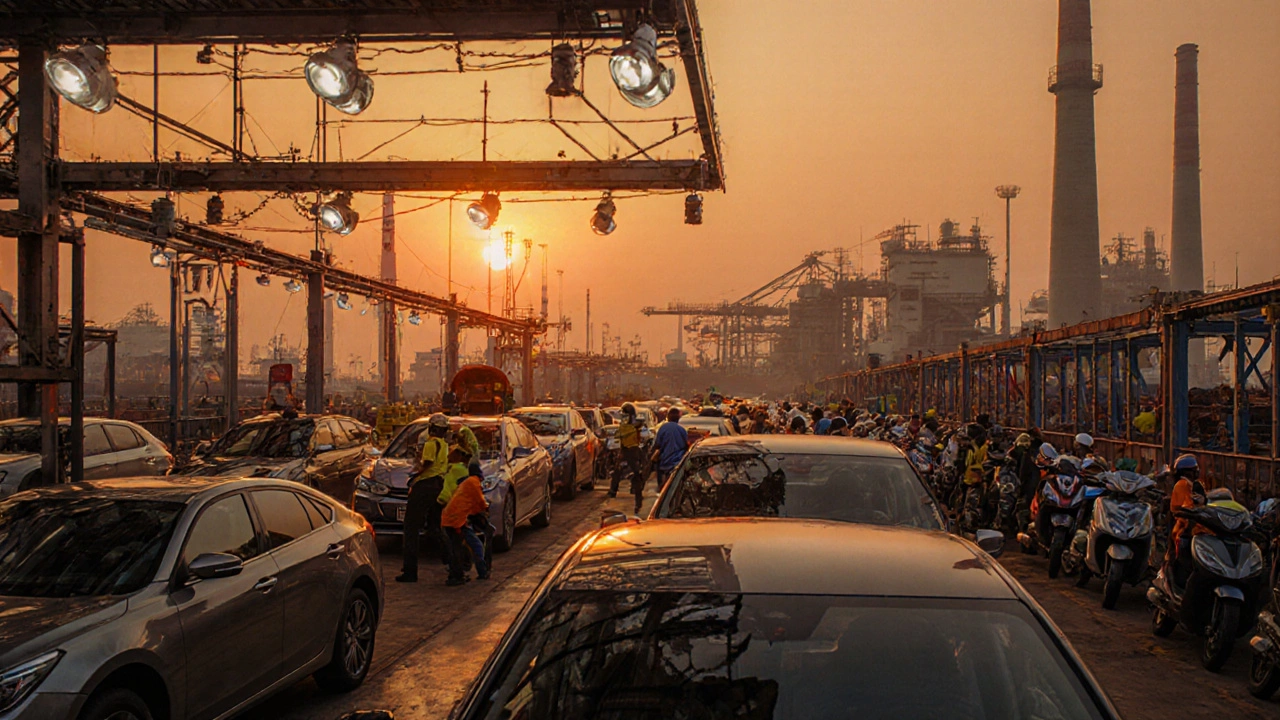
India ranks among the top five global vehicle producers, building over 30million cars, two‑wheelers, trucks and buses yearly. The article breaks down key manufacturers, production stats, export trends and future policy impacts.