4 P Manufacturing: What It Is and How It Drives Efficient Production
When you hear 4 P manufacturing, a practical framework used by factories to organize production around four core elements: Product, Process, Plant, and People. It's not a fancy term—it's what keeps factories running smoothly every day. Think of it like the four legs of a table. If one leg is weak, the whole thing wobbles. In polymer manufacturing—like what Tirupati Polymers does—getting all four right means fewer defects, faster output, and lower costs.
Let’s break it down. First, Product, the actual item being made—whether it’s plastic sheets, pellets, or custom molded parts. If your product design is flawed or doesn’t match customer needs, no amount of speed or automation will save you. Second, Process, how you turn raw materials into finished goods—extrusion, injection molding, blending. A messy process leads to waste, delays, and inconsistent quality. Third, Plant, the physical space, machines, layout, and utilities that make production possible. A poorly arranged plant means workers walk too far, machines sit idle, and bottlenecks form. Finally, People, the operators, supervisors, and maintenance staff who keep everything moving. Even the best machine won’t run right without trained, motivated people behind it.
This isn’t theory. Look at the top manufacturing hubs in Gujarat—places like Dahej and Jamnagar. Their factories don’t just buy expensive equipment. They design their products with output in mind, streamline every step of their process, layout their plants to reduce motion waste, and invest heavily in training their teams. That’s why they dominate India’s chemical and polymer output. It’s not luck. It’s the 4 P model in action.
You’ll find this same pattern across the posts here. From how to pick a profitable manufacturing product to why Gujarat leads in chemical production, the 4 P framework is the hidden thread. Whether it’s about small-scale startups or giant steel mills, the same rules apply. The best manufacturers don’t chase trends—they master these four pillars. Below, you’ll see real examples of how companies use each P to cut costs, improve quality, and grow. No fluff. Just what works.
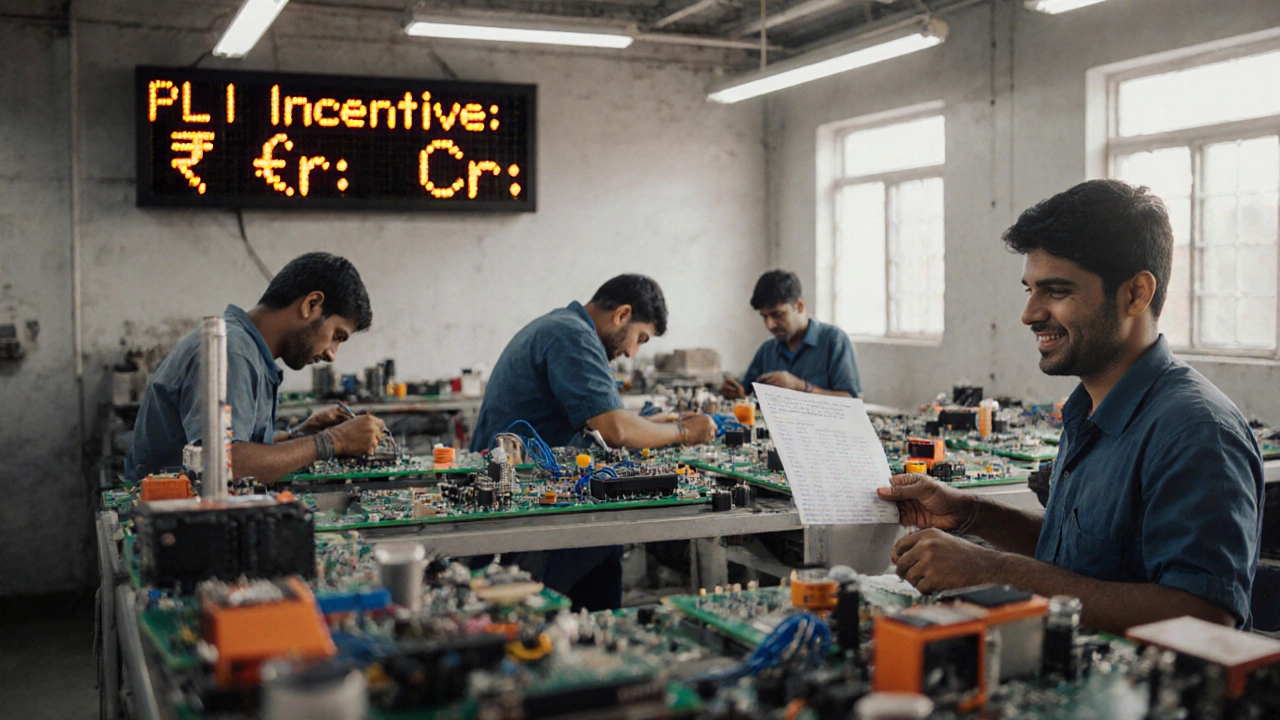
The 4 P's of manufacturing government schemes-PLI, PMEGP, PMMY, and PPE-are key support programs for Indian MSMEs. Learn how each works, who qualifies, and how to claim benefits in 2025.